Characteristics, Common Types and Care Methods of Flowering Plants
Flowering plants is a general term for plants whose flowers are the main object of appreciation, valued for their color, form and fragrance, and they are one of the most common major groups in landscaping and home gardening. They come in a rich range of flower colors and diverse flower shapes; some bloom in a concentrated period, opening en masse, while others put out scattered blooms across the four seasons, bringing a clear sense of season and ornamental interest to the environment.
In terms of categories, flowering plants include both herbaceous and woody types. Herbaceous types include annual and biennial flowers, perennial herbaceous flowers and bulbous flowers, with common examples such as petunia, tulip and iris; woody types are mostly shrubs or small trees, such as Chinese rose, azalea, jasmine and osmanthus. The growth habits and flowering patterns of different categories vary considerably, so it is advisable to understand their habits before cultivation.
In terms of care, light is the key factor determining flowering quality, and most flowering plants need ample light; insufficient light easily leads to leggy stems and leaves without flowering. Watering should follow the principle of watering when dry and letting dry out between waterings, avoiding waterlogging that rots the roots; before the flowering period, phosphorus and potassium fertilizers can be supplemented appropriately, and after flowering, spent flowers and dead branches should be pruned promptly, which helps reblooming and maintains plant shape.
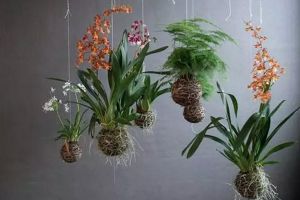
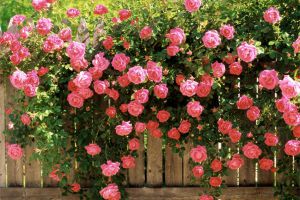
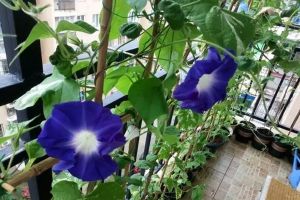
Flowering plants are used very widely; they can be used for courtyard landscaping and balcony container growing, and are also suitable for office and indoor decoration. Some types are also suitable for hanging baskets or for being trained to climb, used to create flower walls, flower corridors and plant curtains, forming three-dimensional landscapes. Reasonably combining varieties with different flowering periods can also extend the ornamental effect over a longer time.
Related Reading