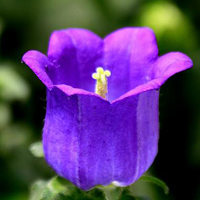
The bellflower's floral language symbolizes gentle love and gratitude, and represents blessings from afar
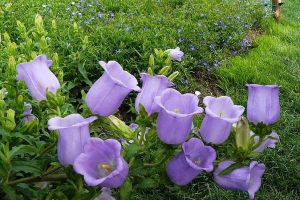
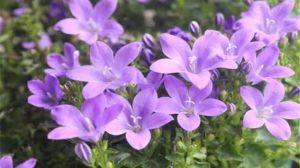
Bellflower is a herbaceous plant of the genus Campanula in the family Campanulaceae. Its flowers are bell-shaped or campanulate and commonly come in colors such as purple, blue, white and pink. They mostly bloom in spring and summer and are often used for courtyard landscaping, potted display and cut-flower arrangements, and are deeply loved for their cute flower shape.
Its floral language is generally regarded as gratitude and gentle love, and it also carries meanings such as blessings from afar and eternal bonds. Most of these meanings are related to its bell-like flower shape; when a breeze passes, the flowers sway gently, as if a bell is carrying a message, seeming to bring back longing and greetings from distant places.
Bellflowers of different colors differ slightly in meaning. Purple is generally considered to represent elegance and nobility, white symbolizes purity and gentleness, and blue is often given the color of tranquility and longing. Interpretations in different cultures are not entirely consistent, but overall they all revolve around beautiful and sincere emotions.
Because its floral language is warm, bellflower is very suitable for giving to friends, teachers or elders to express gratitude and blessings, and growing it on a balcony or in a courtyard also gives a very good ornamental effect. In terms of care, it prefers a cool climate and sufficient light. Watering should follow the principle of watering when dry and stopping when wet, avoiding waterlogging and root rot, and fertilizing is best done with light applications given frequently. If the leaves turn yellow, it is mostly related to overwatering, insufficient light or lack of fertilizer, and it can gradually recover once the care method is adjusted in time.
Related Reading