Campanula: Growing Habits, Characteristics and Home Care Methods
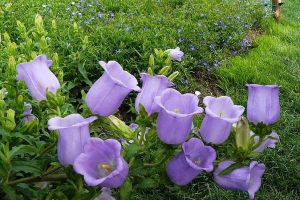
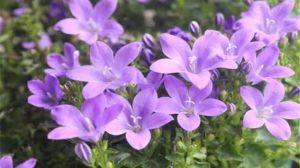
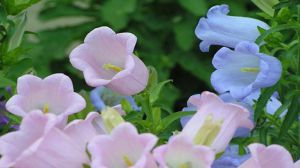
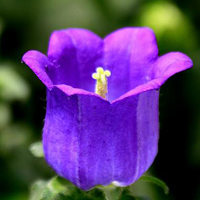
Campanula is a herbaceous plant in the genus Campanula of the family Campanulaceae, named for its flowers that resemble small bells or wind chimes. It comes in a rich range of colors, with blue-purple, white and pink varieties being the most common; the flowers are small and elegant, often used in flower bed arrangements and courtyard landscaping, and are also very suitable for growing in pots for ornamental display.
In cultivation, besides the common campanula, other frequently seen species include Campanula punctata and Campanula glomerata, whose flowers are mostly bell-shaped, with the blooming period mostly concentrated in late spring and early summer. It prefers a cool environment with plenty of light, has fairly good cold tolerance, and dislikes high temperature and high humidity; it is best planted in loose, fertile soil with good drainage.
The key to routine care lies in water and fertilizer management. Watering should follow the principle of watering when the soil is dry and letting it dry out between waterings, to avoid long-term waterlogging in the pot that causes root rot; during the growing season, apply light fertilizer frequently, and appropriately supplement with phosphorus and potassium fertilizer before the blooming period, which can produce more flowers and more vivid colors. If light is insufficient or watering is too frequent, the leaves tend to turn yellow; at this point, promptly adjust the placement and control the moisture properly.
Campanula itself is not toxic and can be kept in a bedroom, but indoor light is usually on the weak side, and long-term placement is not good for growth and blooming, so it is best to regularly move it to a bright spot to get some sun. Keeping the environment well ventilated in daily care can also effectively reduce the occurrence of pests and diseases.
Related Reading