Common Types of Pests: Identification and Scientific Control Methods
Pests refer to the damage caused by harmful insects and their larvae to crops, vegetables, fruit trees, flowers and other plants. Pests weaken plant growth by chewing leaves, sucking sap, and boring into stems and fruits. In severe cases, they cause branches and leaves to turn yellow and wither, flowers and fruits to drop, and even the death of the entire plant. The wounds left by pests also create conditions for pathogens to invade, often triggering multiple diseases at the same time.
Based on their feeding methods, common pests can be roughly divided into two categories. One is pests with chewing mouthparts, such as cabbage caterpillars, scarab beetles, and longhorn beetle larvae, which directly chew plant leaves, stems and fruits; the other is pests with piercing-sucking mouthparts, such as aphids, spider mites, scale insects, and whiteflies, which suck sap and may transmit viral diseases. In addition, underground pests such as white grubs, cutworms, and mole crickets mainly damage root systems and germinating seeds, and are highly concealed, making them difficult to detect in time.
Pest control should adhere to the principle of prevention first and integrated control. In daily management, attention should be paid to ventilation and light penetration, reasonable watering and fertilizing, enhancing the plant's own resistance, and timely clearing of dead branches, fallen leaves and surrounding weeds to reduce hiding places for pests. When a small number of pests is found, they can be captured by hand or the affected parts can be pruned off. When the pest population is larger, targeted biological or chemical pesticides can be used, with attention to rotating pesticides to avoid pests developing resistance.
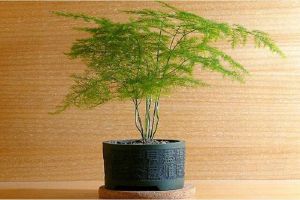
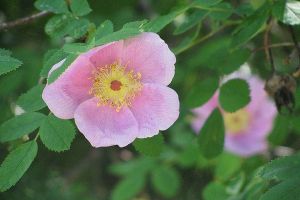
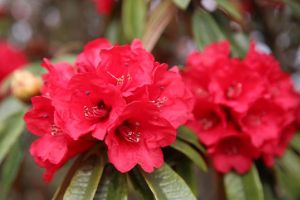
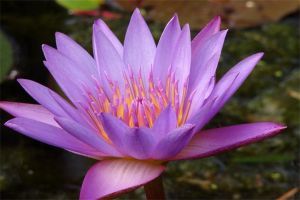
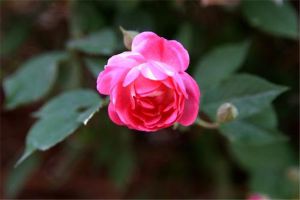
When caring for ornamental plants such as asparagus fern, Chinese rose, azalea, and water lily at home, they are most susceptible to aphids, spider mites, and scale insects. Normally, one should pay more attention to the back of leaves and the growth status of new shoots, and deal with pest problems promptly, achieving early detection and early treatment, so that plants can maintain healthy growth.
Related Reading