How to Grow Periwinkle: These Key Care Points Matter Most
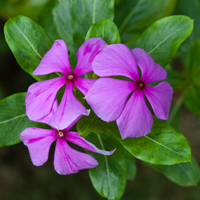
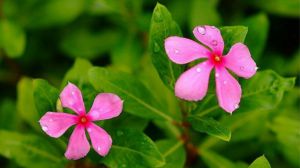
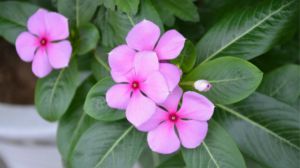
Periwinkle (Madagascar periwinkle, Catharanthus roseus) is a perennial herbaceous plant in the genus Catharanthus of the dogbane family Apocynaceae, and it is also often grown as an annual or biennial flower. It has a long flowering period and a rich range of flower colors, with common varieties including pink, white and red. It is suitable for pot culture or courtyard planting and has high ornamental value. Note that the whole periwinkle plant is somewhat toxic; there is no problem with enjoying it in daily life, but it should not be eaten by mistake, and you should wash your hands promptly after pruning.
When growing periwinkle, light is the first key factor. It likes a sunny environment and should ideally receive several hours of direct light each day; insufficient light easily leads to leggy growth and few flowers. In summer, when temperatures are high and the light is intense, you can shade it appropriately or move it to a spot with diffused light to avoid sunburn on the leaves. As for temperature, it likes warmth and is not cold-tolerant, so in winter it should be moved indoors for care, and keeping it in a warm environment is the safer approach.
Watering and soil management are also crucial. Periwinkle dislikes waterlogging, so watering should follow the principle of not watering until the soil is dry, and watering thoroughly when you do; if the potting soil stays wet for a long time, the roots easily rot. For soil, choose a loose, breathable, well-draining sandy loam, which can be made by mixing garden soil with leaf mold and a small amount of perlite. During the growing season, apply light fertilizer frequently, mainly phosphorus and potassium fertilizer, which can promote flowering, but the concentration should not be too high.
A common problem during care is yellowing leaves, which is mostly related to overwatering, insufficient light or lack of fertilizer; once you find the cause, just adjust in time. In addition, periwinkle branches well, and pinching the tips appropriately at the seedling stage can make the plant fuller and produce more flowers. As long as light, water and fertilizer management are done well, periwinkle can bloom successively from spring to autumn, making it a very easy ornamental flower for beginners.