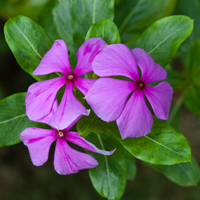
A Detailed Guide to Periwinkle Sowing Time and Methods, Even Beginners Can Grow It Well
Periwinkle (Catharanthus roseus) is a common ornamental flower of the Apocynaceae family, with rich flower colors and a long blooming period, and home growers mostly propagate it by sowing seeds. Sowing should preferably be done in spring after the temperature has steadily warmed up; at this time both the temperature and light conditions favor seed germination, and after emergence the seedlings can grow along with the trend, and are not likely to stall due to low temperatures.
Before sowing, first prepare a loose, breathable, well-draining seedling soil, fill the pot, and water it thoroughly. Periwinkle seeds are tiny, so you can evenly scatter the seeds on the soil surface, then cover with an extremely thin layer of fine soil or gently press them down; never sow too deep, otherwise germination will be affected. After sowing, place the pot in a warm spot with scattered light, keep the soil slightly moist, and under suitable conditions seedlings will soon emerge one after another.
After emergence, gradually increase the light to prevent the seedlings from becoming leggy, and at the same time avoid water accumulating in the pot; water according to the principle of letting the soil dry before watering again. Once the seedlings grow several true leaves, you can thin them out or transplant them. Periwinkle is a taproot plant and does not tolerate root damage, so transplanting should be done early rather than late, and it is best to transplant with the soil ball, which gives a higher survival rate.
The common problems during sowing are uneven emergence or rotting seeds, mostly caused by too thick a soil cover, too low a temperature, or too much water, and these can be improved by promptly adjusting the environment. After the seedlings survive and resume growth, you can appropriately pinch off the growing tips to encourage branching, making the plant shape fuller and the subsequent flowering more abundant.