A Comprehensive Guide to Daylily Varieties: Common Types, Characteristics, Care and Uses
The daylily (Hemerocallis) is a perennial herbaceous plant with fleshy roots belonging to the genus Hemerocallis. Also known as the forget-sorrow grass and the child-bearing grass, it bears large, brightly colored flowers and is often used in flower beds, flower borders and roadside landscaping. When we talk about daylily varieties, we mean both the wild original species and the many hybrid cultivars bred in horticulture, with an extremely rich range of flower colors and forms.
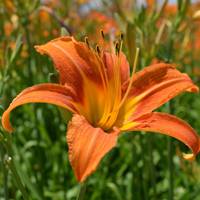
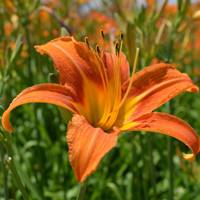
Among the common daylily varieties, the original species Hemerocallis fulva usually has orange-red flowers and strong adaptability, and is widely grown both in the wild and in gardens; the large-flowered daylily has bigger blooms in yellow, orange, pink and red color ranges, and is the mainstay of the hybrid cultivars; the 'Golden Doll' daylily (Hemerocallis 'Stella de Oro') has a compact habit and golden-yellow flowers with a long blooming period, and is very common in landscaping strips; the daylily used as dried lily buds (Hemerocallis citrina) has slender buds that can be eaten after processing, offering both ornamental and practical value. There are also double-flowered and bicolor types, so there is plenty of room for choice.
Daylilies are easy to grow overall. They like a spot with plenty of light but also tolerate partial shade, are not fussy about soil, and tolerate both cold and heat, so in most regions they can overwinter in the open ground. They are mainly propagated by division, best done in spring and autumn; keep the soil moist during the growing season, and cut off the spent flower stems promptly after blooming to reduce nutrient consumption and encourage flowering the following year.
In terms of use, daylilies are well suited to being planted in masses in flower borders, along road edges and on slopes, putting on a spectacular display when they bloom in summer. One reminder: the fresh flowers of ornamental daylilies should not be eaten, and the daylily grown for its buds must also be steamed, boiled, sun-dried or otherwise processed before eating; eating the fresh buds raw can easily cause stomach upset.
Related Reading