Daylily Characteristics, Flower Language and Care Guide
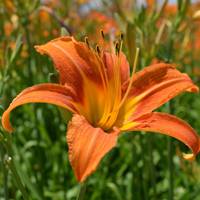
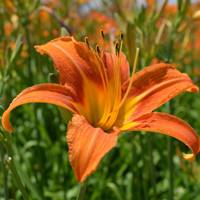
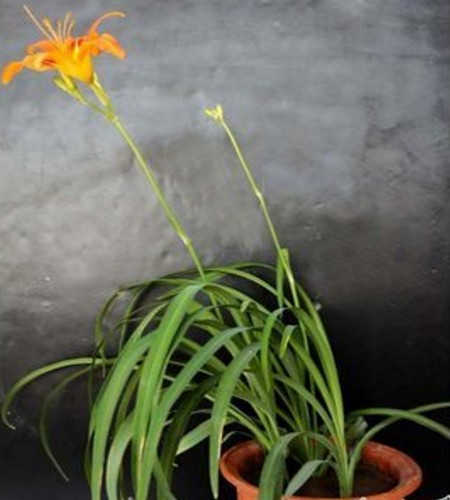
The daylily flower is the bloom of a perennial herbaceous plant of the genus Hemerocallis, also known as forget-sorrow grass, yellow flower vegetable, and golden needle flower. Its flowers are funnel-shaped or trumpet-shaped, with spreading petals, commonly in orange-yellow and orange-red tones, and the blooming period is mostly concentrated in summer. The daylily plant is highly adaptable with a well-developed root system, making it a common ornamental flower in landscaping and courtyard cultivation.
There are many species in the genus Hemerocallis, including the traditional Chinese daylily as well as horticultural varieties developed through artificial breeding such as large-flowered daylilies and double-flowered daylilies, with flower colors covering multiple color ranges including yellow, orange, red, and pink. It should be noted that ornamental daylilies and the edible yellow flower vegetable are not entirely the same; some ornamental varieties contain special compounds and should not be picked and eaten at will.
In traditional culture, the daylily flower is called the grass that dispels sorrow. The ancients often planted daylilies in their courtyards to express the wish of relieving worries. It is also the traditional Chinese mother's flower, often used to express gratitude and respect for mothers. Therefore, the flower language of the daylily is mostly related to dispelling sorrow and maternal love, and it often appears in holiday flower gifts and poetic and literary works.
Caring for daylilies is relatively simple. They prefer a sunny environment and are also fairly tolerant of partial shade. They are not demanding about soil, with loose, fertile, well-drained soil being best. In daily management, water them at the right time and avoid waterlogging. After flowering, promptly cut off spent flowers and dead leaves, which helps them bloom more abundantly the following year.