How to Eat Jackfruit: The Correct Way to Eat the Flesh and the Seeds
Jackfruit is a common large fruit in tropical regions. The fruit is big, and its outer skin is covered with spike-like protrusions. When ripe, the flesh turns golden yellow, with a rich aroma and a sweet, refreshing taste. It can be eaten fresh directly and is also often used to make desserts and dishes.
The first step in eating jackfruit is to judge its ripeness. A ripe jackfruit gives off a distinct sweet fragrance, the skin color tends toward yellow, the spikes become soft and blunt, and it feels slightly springy when pressed. Before cutting it open, it is advisable to smear a layer of cooking oil on the blade and your hands, because the cut flesh oozes a sticky sap, and the oil can reduce sticking.
After the flesh is taken out, only the yellow part is edible; the white fibrous strands and thin skin wrapped around the outside need to be removed. Once the fresh flesh is peeled, it can be eaten directly. Chilling it in the refrigerator for a while before eating makes the taste even sweeter and more refreshing. For those who like variety, the flesh can also be used in dishes, boiled in sweet soup, or processed into dried fruit and candied fruit.
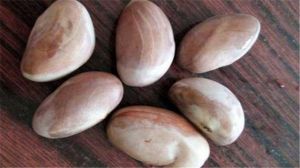
Many people do not know that jackfruit seeds are actually edible too. After removing the outer skin of the seeds, they can be eaten once boiled or steamed. The texture is starchy and soft, somewhat similar to chestnuts. For the specific methods of preparing the seeds, there is also a dedicated article on this site for reference.
It should be noted that jackfruit has a relatively high sugar content, so it is best not to eat too much at one time, otherwise discomfort such as bloating and internal heat may easily occur. People allergic to jackfruit should avoid eating it, and first-timers can try a small amount first. During handling, if your hands get sticky sap on them, rub them with cooking oil first and then rinse with clean water, which makes cleanup easier.
Related Reading