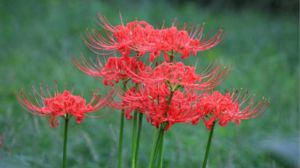
Planting red spider lilies requires mastering the key points of soil, light, and watering
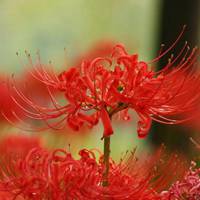
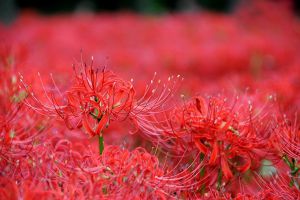
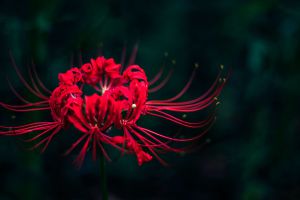
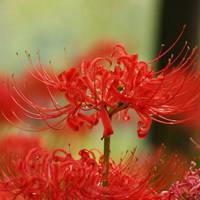
The red spider lily is a perennial herbaceous bulbous plant in the Amaryllidaceae family, genus Lycoris, often called manjusaka or dragon-claw flower. Its flower stalk is upright, its petals curl backward, and its flower color is most commonly red, though there are also yellow, white, and other varieties. This plant has a peculiar trait: when it blooms, no leaves are seen, and when it grows leaves, no flowers are seen; the flowers and leaves never meet, which gives it an air of mystery.
Red spider lilies are mostly propagated by dividing the bulbs, generally chosen during the dormant period or after flowering. When planting, select plump, undamaged bulbs and plant them in loose, well-draining, humus-rich sandy soil, at a depth where the top of the bulb is slightly exposed above the soil surface or covered with a shallow layer of soil. After planting, water thoroughly and place in a semi-shaded, ventilated spot, waiting for it to take root and sprout.
For daily care, the red spider lily likes a semi-shaded, moist environment and fears strong direct sunlight and waterlogged soil. During the growing period, keeping the soil slightly moist is enough. In the high temperatures of summer, the plant may enter dormancy, at which point watering should be reduced to prevent the bulbs from rotting. Before flowering, a small amount of dilute phosphorus and potassium fertilizer can be added to encourage fuller blooming; fertilizer should be applied lightly rather than heavily.
It is particularly important to note that the entire red spider lily plant is toxic, with the bulb portion being relatively more toxic; contact with the sap or accidental ingestion may cause discomfort. When dividing bulbs or repotting, it is best to wear gloves and wash hands promptly afterward. When planting in courtyards, take care to prevent children and pets from accidentally eating it. As long as it is enjoyed normally and placed sensibly, it is both easy to care for and a very good ornamental flower for courtyards, under trees, and along roadsides.