Sweet Grapefruit vs. Other Grapefruits: Taste Differences, Nutritional Value and Dietary Taboos
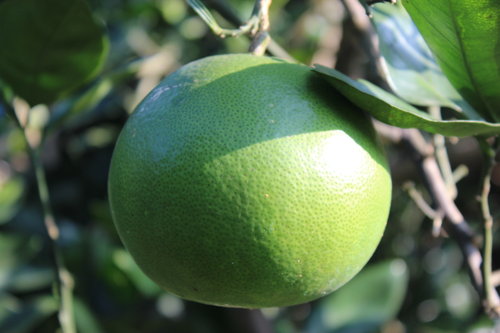
Sweet grapefruit and other grapefruits differ greatly in taste--it tastes sweet, with a slight hint of honey aroma, and everyone who has tried it raves about it. So people seeing it for the first time all think it is an orange, and when they learn that this too is a type of grapefruit, their faces are mostly filled with surprise. We all love pesticide-free sweet grapefruit!
Those who like sweet grapefruit can give it a try, and let it overturn your stereotype of grapefruit as sour and bitter! (Grapefruit itself is rich in limonin (LIMONIN), which is what causes the bitter taste of grapefruit, but this compound actually has anti-cancer effects. If the human body continuously takes in limonin, it can activate a certain detoxifying metabolic enzyme in the body, that is, it activates the enzyme activity that neutralizes the toxins of carcinogens, and actively expels them from the body.)
Properties of grapefruit: cold and cooling in nature, it can reduce internal heat.
Key components of grapefruit:
1. Rich in calcium (not suitable for people with poor kidney function.)
2. Contains flavonoids (which inhibit the liver's metabolic function--it cannot excrete drugs normally, causing drug potency to suddenly increase beyond the doctor's expectations and creating danger.)
Benefits of eating grapefruit:
1. Helps lower blood pressure.
2. Inhibits the growth and metastasis of cancer cells.
3. Lowers the incidence of vascular hardening.
4. Reduces the incidence of myocardial infarction.
5. Lowers the incidence of fatty liver.
6. Has antioxidant effects.
7. Prevents stroke.
8. Slows the degree of osteoporosis.
Taboos of eating grapefruit:
1. Do not take Chinese medicine or Western medicine within 2 hours before or after eating grapefruit.
2. Not suitable for patients with uremia or those on kidney dialysis (grapefruit's calcium content is too high).
3. Strongly prohibited to be eaten together with drugs for treating angina, lowering blood pressure, lowering blood lipids, antihistamines, etc.
Rich in folic acid
If pregnant women can take in plenty of folic acid, it can also reduce the possibility of macrocytic anemia; it can also lower the incidence of deformed babies. In addition, the abundant citric acid contained in grapefruit also has the effect of removing fishy smells and deodorizing, and its cooling nature can reduce internal heat and relieve dry mouth and tongue, making it the best "cooling" companion after eating hot pot in winter.
Lowers cancer incidence
Generally, the principles of an anti-cancer diet are nothing more than low fat, high fiber, and rich in vitamins A and C; one grapefruit contains about 10 grams of dietary fiber, twice that of ordinary fruit, or 3 times that of a serving of oats. The advantages of grapefruit are not only low fat and high fiber, but also no sodium, high potassium, and high folic acid. Research from the United States has also confirmed that in the diets of cancer patients, if they eat more grapefruit, the probability of disease recurrence can be reduced by 30 to 40 percent. Fresh grapefruit juice is rich in vitamin C and has antioxidant effects, blood clot prevention effects and antiviral effects. The flesh of the grapefruit contains a unique pectin that can lower cholesterol and also has anti-cancer effects, and is especially effective in preventing stomach cancer and pancreatic cancer.
In addition, grapefruit nutrients also include vitamin A, vitamin C, dietary fiber, folic acid, inositol, β carotene and lycopene (the above two exist only in red-fleshed and pink-fleshed grapefruit) and potassium, etc.… along with the advantages of containing no fat, cholesterol or sodium. Therefore, for weight loss it can help fat metabolism and raise metabolism, making it a quite good fruit.