How to prepare nutrient soil for growing Clivia
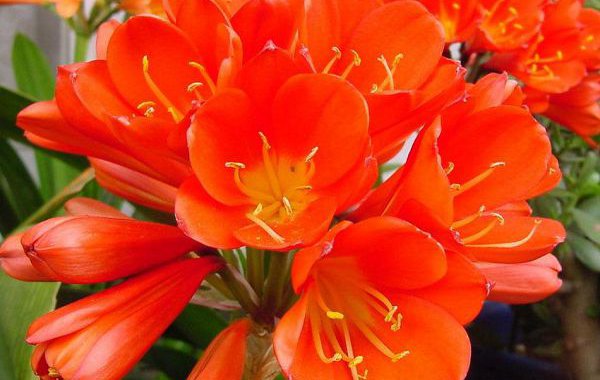
Clivia is a perennial herbaceous plant with fleshy roots. The growing medium needs to be well-rotted, loose, permeable to water and air, able to retain water and nutrients, rich in nutrients, free of harmful substances, pathogens and pests, and slightly acidic, with a pH of 6 to 7. However, no single soil can meet all these conditions at once. This requires mixing multiple materials in certain proportions to make a Clivia growing medium for cultivation.
The main materials currently suitable for preparing a Clivia growing medium are:
① Leaf mold. This includes both broadleaf soil and coniferous soil. It is loose and airy in texture, rich in organic matter, and acidic or slightly acidic.
② Garden soil. It has relatively high fertility and good crumb structure, but the surface layer tends to cake, and its air and water permeability is poor.
③ Peat soil or turf soil. It is rich in organic matter, light and loose, air- and water-permeable, retains water and nutrients, and is acidic.
④ Mountain soil. It is loose and light, air- and water-permeable, and retains nutrients and water.
⑤ Pond mud. It has a relatively hard texture and good drought resistance and waterlogging tolerance.
⑥ Furnace slag. It is light, loose, porous, contains phosphorus and potassium nutrients, and is easy to collect; a bean-sized grade is preferable.
⑦ River sand. It is pure in texture, drains smoothly, and is neutral; a sorghum- or millet-sized grade is preferable.
According to Clivia's soil requirements and the properties of the above materials (recommended reading: How to choose the raw materials for preparing Clivia nutrient soil), the following methods for mixing several kinds of Clivia growing media are recommended for reference and selection by Clivia growers:
① 8 parts leaf mold, 1 part furnace slag, 1 part river sand.
② 4 parts garden soil, 4 parts leaf mold, 2 parts furnace slag or river sand.
③ 6 parts peat soil, 2 parts river sand, 2 parts furnace slag.
④ 4 parts mountain soil, 4 parts leaf mold, 2 parts river sand.
⑤ 4 parts pond mud, 4 parts leaf mold, 2 parts furnace slag or river sand, or 1 part of each.
After several materials are mixed evenly, use steaming, frying, or other methods to sterilize and kill insects (eggs), or disinfect with potassium permanganate solution, or scald thoroughly with boiling water. After drying, sift or screen it: use the coarse part on top as a drainage layer, and the fine part below as the growing medium.