Detailed Explanation of the Cutting Propagation Method for Potted Aglaia odorata
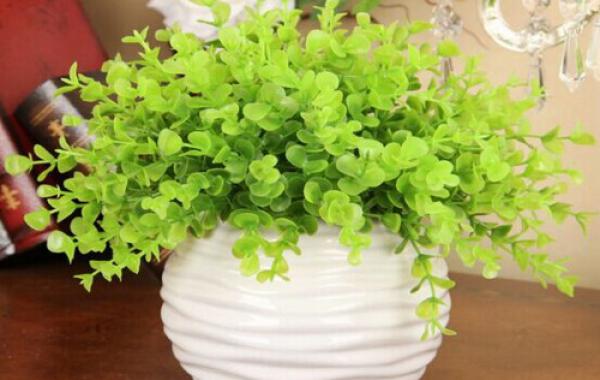
Aglaia odorata is a beloved flowering plant, its fragrance filling the air when it blooms. As an edible flower, it can be used to extract essential oils, such as Aglaia odorata flower tea. Potted Aglaia odorata can be displayed in living rooms, studies and porches, fresh and elegant, soothing to body and mind. In southern courtyards, Aglaia odorata is also an excellent landscape tree. Placed indoors, it can absorb sulfur dioxide and chlorine from the air, purifying it.
Aglaia odorata is an evergreen shrub or small tree of the Meliaceae family, a small-leaved variety of the large-leaved Aglaia odorata. Aglaia odorata is native to southern Asia and was later widely planted throughout the tropical regions of the world. Below, let us take a look at its cutting propagation method. The cutting method for Aglaia odorata is generally divided into two types: one is cutting from the old stems of the previous year, carried out in April to May; the other is cutting from the tender shoots of the current year, carried out in June to August. Actually, the operation method is the same, let us take a look together.
Choosing the medium:
Before cutting, a cutting bed must be prepared. According to the number of cuttings, containers of different diameters may be used. When there are few cuttings, a flower pot can be chosen; when there are more cuttings, a wooden box or other larger-diameter container can be used. Fill the bottom of the pot with broken tile pieces to increase, enhance water permeability.
Choosing the branches:
The cutting method for Aglaia odorata is generally divided into two types: one is the tender shoots of the current year, the other is the old stems of the previous year. Each of these two methods has its advantages and disadvantages; choosing the branches of the current year gives a slightly higher survival rate.
Steps and method:
Actually, the cutting method is very simple, just follow the steps below.
First, insert the branches into the previously prepared soil, and water thoroughly.
Then place the flower pot into a plastic bucket; you can put a brick at the bottom of the bucket, then add a small amount of water.
Then cover the bucket opening with glass, and open the cover every 3 to 5 days to let in air.
Care after cutting:
After cutting, place the plant in a shady place for care, control the temperature at 25 to 28 degrees C, frequently spray water on the leaves to increase the humidity of the surrounding environment and promote its growth.
The cutting cycle of Aglaia odorata is relatively long, requiring 50 to 60 days to succeed. If during this period the branches do not wilt and the leaf color does not turn yellow, this indicates that the base of the branches has fully healed; after a period of time, tender buds will grow between the leaf and stem, which indicates that roots have formed.
TIPS:
This propagation method by cutting is mainly carried out from June to August. You can cut sturdy, already lignified branches of the current year as cuttings, about 10 cm in length, keep 2 to 3 small leaves at the tip, cut off the lower leaves, and insert them into a cutting bed using peat as the substrate or sand and perlite as the substrate; inserting about 4 cm is enough, then water thoroughly and seal the opening of the cutting pot with plastic film to keep warm and moist.
Keep the indoor temperature at around 28 degrees C and the humidity at around 95%, keep the cutting bed moist, and after about nearly 2 months they can take root and be transplanted. If before cutting, the cuttings are soaked in a 500 ppm naphthaleneacetic acid solution for about 20 hours at the cut end, then rinsed clean before cutting, it can promote early rooting of the cuttings.