What are the methods for controlling pests on white orchids
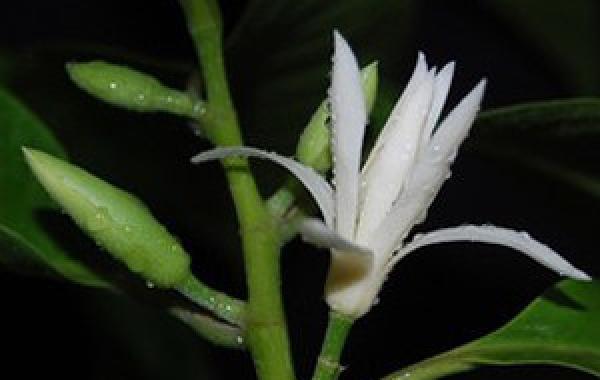
Everyone has some understanding of white orchids, but when yellow orchids and white orchids are placed together, there is a vague feeling that if you do not look closely, it is really hard to tell them apart. Below, the editor introduces whether white orchids are yellow orchids? Methods for distinguishing white orchids from yellow orchids. The difference between white orchids and yellow orchids is that because white orchids and yellow orchids look so similar, many flower lovers...
Everyone has some understanding of white orchids, but when yellow orchids and white orchids are placed together, there is a vague feeling that if you do not look closely, it is really hard to tell them apart. Below, the editor introduces whether white orchids are yellow orchids? Methods for distinguishing white orchids from yellow orchids. The difference between white orchids and yellow orchids is that because white orchids and yellow orchids look so similar, many flower lovers are completely unable to tell them apart. In fact, as long as you pay attention to the following points, it is still very easy to distinguish them. 1. Color White orchids and yellow orchids do indeed look similar, but the obvious difference is that the flowers of white orchids are white, while the flowers of yellow orchids are pale yellow. This point alone is very obvious, and it is believed that sharp-eyed flower lovers can tell them apart at a glance.
The peak growing season for white orchids has arrived. This season gives white orchids a good period for growth, and it is also a season when pest infestation is severe. White orchids are also highly ornamental plants. For such white orchids, what pest control methods need to be carried out?
1. Red wax scale The nymphs and adults of red wax scale pierce and suck the sap of flowers. Their excrement often induces sooty mold, causing a layer of black mold or a relatively thick black film to form on the leaves. The whole plant becomes a black tree, the plant weakens, and it rarely blooms or cannot bloom at all.
Control methods: (1) In winter and early spring, remove some heavily infested branches while pruning. (2) If there are few or short infested flower plants, they can be removed manually in winter and spring. (3) During the peak hatching period of nymphs, spray 25% phosmet emulsifiable concentrate at 1000 times dilution, or 40% omethoate emulsifiable concentrate at 1500 times dilution, spraying once every 4-6 days for 3 consecutive sprays. (4) When introducing flower seedlings, strictly quarantine them to prevent bringing in pests.
2. Red spider mite Control methods: (1) Soak citrus peel in 10 times its amount of water for one day and one night, then filter and spray the plants. (2) Mix 15 g of washing powder, 15 ml of 20% caustic soda, and 7.5 kg of water, then spray the plants after mixing evenly. (3) Add 2.5 kg of water to 50 g of plant ash, stir, soak for two days and two nights, filter, then add 3 g of washing powder and mix well before spraying, once a day for 3 consecutive sprays, then after 1 week spray 3 more times, which can eliminate the second generation of pests; putting it into the soil can control maggots. (4) Light 1 mosquito coil and place it in the pot of the diseased plant, then tie the pot tightly with a plastic bag. After 1 hour of fumigation, it can kill eggs and adults.
3. Cicada The nymphs of cicadas suck the sap from flower roots in the soil, while adults pierce and suck sap from the main leaves. Female insects insert their ovipositors into branches to lay eggs, causing the branches to die.
Control methods: (1) Kill the mature nymphs that have just emerged from the soil in time. (2) If the infestation is severe, light a fire near the trunk on hot summer nights, shake the branches to make the cicadas fly into the fire and die, and kill the cicadas that fall outside the fire pile. (3) Apply sticky tung oil or sticky balls kneaded from spider webs to the end of a bamboo pole to catch adults. (4) From April to August, inspect in time and prune off egg-laying branches.
4. Cottony cushion scale Control methods: (1) Manual control. Use your hands or tweezers to remove female insects and egg sacs, or prune off heavily infested branches and leaves. (2) Biological control. Introduce natural enemies such as the vedalia beetle and Australian ladybird to prey on cottony cushion scale. Control. During the transfer period of newly hatched nymphs, spray 40% omethoate at 1000 times dilution, or 50% fenitrothion at 1000 times dilution, or ordinary washing powder at 400-600 times dilution, spraying once every 2 weeks for 3-4 consecutive sprays.
Before pest outbreaks, spray water frequently to increase humidity as a preventive measure; after pest outbreaks, if the degree is mild, the leaves can be rinsed with clean water, and if severe, insecticides need to be sprayed.