Detailed Explanation of Pest and Disease Control Methods During the Flowering Period of Cymbidium ensifolium
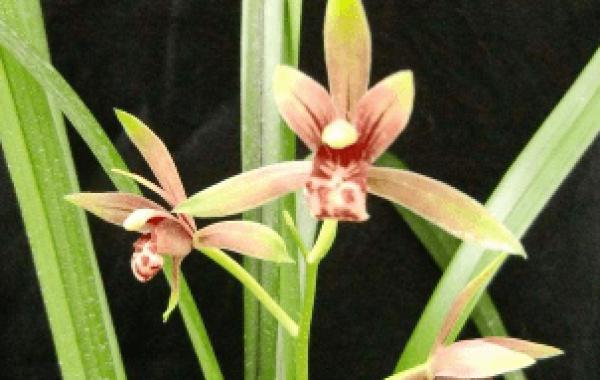
Cymbidium ensifolium is a type of orchid with horticultural and medicinal value. During its flowering period, there are many pests and diseases, so what should be done?
Pests and diseases during the flowering period of Cymbidium ensifolium include anthracnose, black spot disease, and scale insect damage. For diseases, spray with a 500-fold dilution of 10% carbendazim wettable powder; for pests, spray with a 1500-fold dilution of 40% omethoate emulsifiable concentrate. How to prevent and control pests and diseases during the flowering period of Cymbidium ensifolium? The specific introduction is as follows:
In the bright and beautiful spring of March, a hundred flowers vie in beauty, and the orchid nursery is full of vitality: the flower scapes of Cymbidium ensifolium have already grown to over 20 cm, and the flower buds are about to bloom. However, good times do not last, and beautiful flowers are hard to open; the flower buds gradually shrivel. Only after cutting them open did it become clear that they had been infected by pests, with stem borers already wrapped inside. For this, the following treatment methods were adopted.
① Turn the orchid pot upside down and rinse the orchid roots with tap water; the inner walls of the leaf sheaths around the pseudobulbs especially need to be washed thoroughly; scrape off dirt, and after drying, soak in a 300-fold dilution of thiophanate and carbendazim for 30 minutes (the solution should submerge above the pseudobulbs), then dry in the shade before repotting.
② Before repotting diseased Cymbidium ensifolium plants, the planting medium and orchid pots must be sterilized at high temperature. Remove infected leaves, dead tips, and diseased roots. After repotting the orchid plants, spray pesticides to eliminate pests and diseases. Use litchi pest enemy, buprofezin, thiophanate-methyl, and carbendazim at a 500-fold dilution for the first spray, then once every 10 days, for 3 consecutive times. When spraying, spray evenly on the undersides and upper surfaces of the leaves, and apply especially heavily on the pseudobulb parts.
③ Choose a good placement location. Select the location of the orchid site. The orchid pots should receive direct sunlight before 8:30 AM (in summer), be moved into a shade shed after 9 o'clock to get "dappled sunlight," and be placed in a cool place after 12 o'clock. At this time, there must be ventilation from front, back, left, right, above, and below, and water should be placed on the ground to flow back and increase humidity; when a gentle breeze comes, the cool wind blowing gently is very beneficial to orchid growth.
Sure enough, hard work pays off. In just 1 month, this pot of Cymbidium ensifolium regained its vitality and even put out a flower bud.