Orchid Fertilizing Methods and When Not to Fertilize
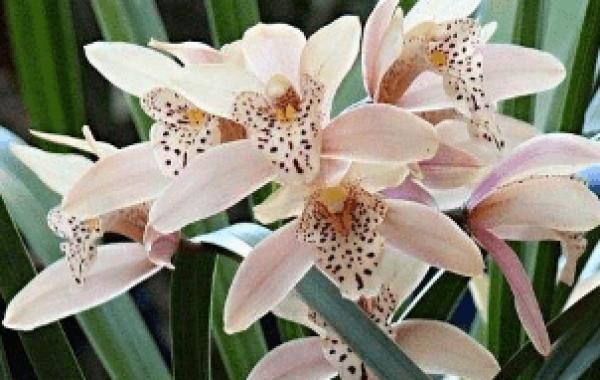
When growing orchids, fertilizing well or badly directly affects the orchid's growth condition. So what kind of fertilizer should be applied to orchids, or under what circumstances should orchids not be fertilized?
Choosing Orchid Fertilizer
Well-rotted farmyard manure
You can choose well-fermented farmyard manure, such as chicken manure, duck manure, sheep manure, or human and livestock manure. However, these must be fermented for more than 1 year, otherwise they will have an odor and burn the roots. Well-fermented fertilizer generally has no odor.
Pure plant-based organic fertilizer
In rural areas, besides human and livestock manure, there is also organic fertilizer fermented from rice straw and wheat straw, which is what we call compost. Used for growing fruit trees, it can bring a bumper harvest. It is of course also great for growing flowers. Flower enthusiasts who like to tinker can ferment their own using leaves, green grass, fruit peels, and vegetable leaves. For lazier flower enthusiasts who also love cleanliness, they can use a ready-made ecological organic fertilizer fermented from sugarcane stalks, which has the same effect as rural rice straw and wheat straw compost.
Orchid Fertilizing Methods
Apply light fertilizer frequently. If using an organic nutrient solution, generally use it once a week, diluted 500 times. If using cake fertilizer or human and livestock manure, it can be used once every half month, and remember to water after fertilizing. If using an organic nutrient solution, just mix it with water, and there is no need to water.
Foliar fertilization
If you want orchids to grow robustly, have green leaves, and bloom abundantly, you should also spray foliar fertilizer. If using an organic nutrient solution, dilute it 1000 times and spray it on the leaves, using it once every half month. If using fertilizers like cake fertilizer.
So when should you not fertilize orchids?
1. Do not rush to fertilize newly planted orchids. The purpose of growing orchids is to make them grow more robustly and the plants more vigorous. Newly planted orchids have not yet adapted to the pot, and fertilizing immediately will instead affect the orchid's growth.
After about 2~3 weeks, once the orchid returns to normal and grows a certain amount of new roots, its resistance also increases somewhat, and it can be fertilized appropriately.
2. Do not fertilize when the plant is too weak and thin. If your orchid's leaves are dry and withered, lack luster, grow abnormally, and do not sprout, first check what problem it has. Is it infected with pests or diseases, or is the potting soil compacted, or are the roots rotten? After ruling all these out, you can use a little foliar fertilizer to condition the growth of the whole plant through the leaves, letting the orchid recover its vitality.
3. Do not fertilize when the flower buds are not plump. This situation generally occurs in autumn. As the roots increase more and more, flower bud differentiation also increases, and some deformed flower buds will appear. At this time, there may be a problem with the roots. The plant is still growing, but it is barely surviving. At this point, stop fertilizing, first spray foliar fertilizer, and after the root system returns to normal, then water with fertilizer.
There are also the following situations in which you should not fertilize.
Early spring
The orchid has just come out from indoors and has not yet resumed growth. The temperature is also relatively low, growth is slow, and root absorption is not smooth. Fertilizing instead makes root respiration difficult and affects the orchid's growth.
Midsummer
If the temperature reaches above 35°C, then stop fertilizing. The orchid has already been pruned, and root absorption is relatively slow. If you really must fertilize, it is still recommended to make the fertilizer more than 2 times thinner than usual. This can stimulate the orchid roots without harming them, preparing for the next wave of flower buds.
Do not fertilize at noon
No matter the season, fertilizing at noon is not a good time. The same goes for other flowers. Generally, watering in the morning and evening is more suitable. The temperature at noon is too high, especially in summer, and fertilizing easily causes fertilizer burn.