What to Do When Orchid Leaves Split? Detailed Guide to Orchid Cultivation and Management Techniques
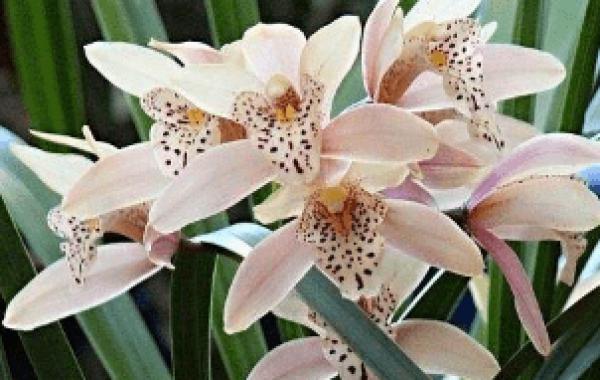
Orchid leaves are leathery in texture and have good flexibility; they may look delicate, but they are actually quite sturdy and can be used to tie things up. Under normal circumstances, orchid leaves do not split easily.
Split orchid leaves may be caused by scale insect damage, in which case insecticide should be sprayed promptly. In addition, improper fertilization during cultivation can also cause leaf splitting, so fertilization must be done reasonably and carefully. Plants grown in a closed environment are highly susceptible to fungal infection, and the leaves will split and turn yellow, requiring spraying with carbendazim.
Causes of Orchid Leaf Splitting
1. Pest infestation
During cultivation, the plant may be attacked by pests. When grown in spring and summer, it is very susceptible to scale insect damage, and the leaves will split, with most of the splits running lengthwise, requiring the purchase of insecticide for spraying.
2. Fertilizer burn
If too much fertilizer is applied during orchid cultivation, leaf splitting can also occur. In this case, water should be used to flush the soil and dilute the fertilizer. In addition, long-term nutrient deficiency can also cause splitting, so fertilization needs to be done properly.
3. Caused by pathogens
After an orchid is infected with pathogens, leaf splitting can also occur. At this point, carbendazim should be sprayed to disinfect the plant, and the severely affected leaves should be pruned. Growing it in a ventilated environment with scattered light for a period of time will improve the situation.
4. External damage
During manual cultivation of orchids, a split may be accidentally caused by mishandling, or it may result from rain washing; if the rain is too heavy, splitting can also occur. Orchids should be placed in an indoor environment, and when fertilizing, the fertilizer must not be dripped onto the leaves, otherwise the leaves will become scorched.