How to fertilize orchids? Keep these four basic principles in mind
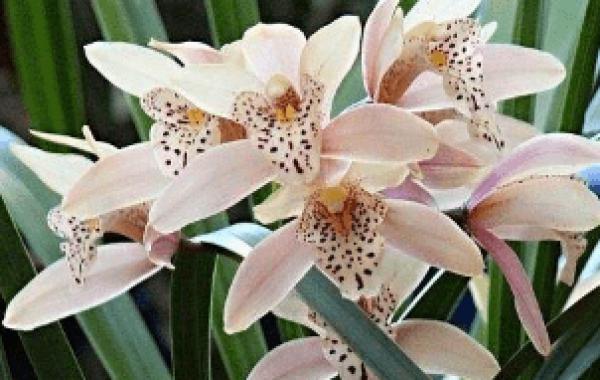
Fertilizing plays a fairly important role in the growth of orchids, and today I'd like to share it with you.
There are four points to pay attention to when fertilizing orchids:
1. Light is best, apply thin fertilizer frequently
"To grow orchids well, you can't do without fertilizing." Although orchids are relatively not very fond of fertilizer, reasonable fertilizing is still necessary. Practice has repeatedly proven that when fertilizing orchids, one should avoid seeking quick results with thick fertilizer applied frequently. This is one of the reasons that lead to failure in growing orchids. The correct fertilizing method is to prefer it thinner rather than too thick; light is best, and applying thin fertilizer frequently is the best strategy to ensure that orchids grow strong and healthy.
2. Treat them differently, fertilize according to the seedling
When fertilizing orchids, you can't apply a one-size-fits-all approach; you should treat them differently and fertilize according to the seedling. Generally speaking, vigorous and strong plants should be fertilized appropriately, while weak seedlings and diseased seedlings should mainly be grown with plain care, as fertilizing will instead be counterproductive and lead to failure. Under the same conditions, the fertilizing amount for Cymbidium faberi should be greater than that for Cymbidium goeringii, and the fertilizing amount for plain-hearted orchids should be less than that for other orchids. In a word, orchid fertilizing should vary according to the seedling and vary according to the orchid.
3. Choose orchid fertilizer according to the growing medium
Orchid fertilizers are divided into organic fertilizers and inorganic fertilizers, and orchid fertilizer should be chosen according to the characteristics of the growing medium. For growing orchids in granular growing medium, fertilizing should mainly use organic fertilizer to make up for the deficiency of incomplete nutrients; for growing orchids in orchid mud, inorganic fertilizer can be applied appropriately, so that the advantages complement each other and the orchid seedlings become stronger. But overall, using organic fertilizer gives better results.
4. Keep pace with the times, apply according to the season
Grasping the season for fertilizing orchids is also very important. After spring warms up and flowers bloom, a topdressing fertilizer to promote buds should be applied in a timely manner. This fertilizing is very important and directly affects the growth of orchids throughout the year. In the season of clear autumn skies and crisp air, a fertilizer to promote flower buds and strengthen seedlings should be applied once. In high-temperature seasons and winter, generally do not use fertilizer. In short, keep pace with the times and fertilize according to the season, and the orchids will grow strong and healthy.
That's all for sharing with everyone. I believe everyone has gained a certain understanding, and I hope this article is helpful to everyone.