Can You Spray Water on Orchid Leaves? Spraying Methods and Precautions
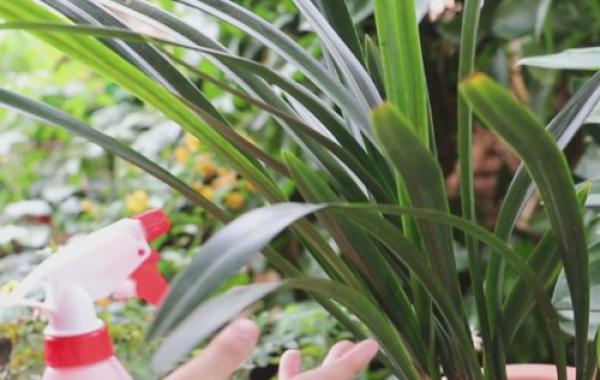
Orchids have been cultivated in China for more than two thousand years, and many flower lovers enjoy growing orchids. As long as our care methods are correct and our maintenance work is done properly, orchids will show themselves in a beautiful posture, very endearing. So, besides watering, when growing orchids,.
In fact, whether orchids need spraying usually depends on various situations. If we grow orchids indoors, spraying is usually not recommended. This is because the indoor environment generally has poor air circulation and relatively little light, so if you spray water on orchids, the leaves will remain covered with water for a long time and dry with difficulty.
And there is an even more important reason: spraying will inevitably splash water onto the orchid's crown, and due to the limitations of the indoor environment, the crown also dries with difficulty, so in this situation it very easily causes the orchid plant to develop crown rot. This is extremely unfavorable for the plant's growth.
But if we grow orchids outdoors where ventilation is good and light is sufficient, we can usually spray water on the plants. Because even after spraying, the water dries relatively easily within a short time, so it will not cause results such as rotten orchid leaves or crown rot.
Moreover, if orchids are grown outdoors and sprayed frequently, there are quite a few benefits. Especially when the temperature is high and the weather is hot, it can not only cool them down and retain moisture, but also keep the leaf surface clean and promote the leaves' ability to exchange air, which is also very beneficial for promoting the growth of the orchid plant, and it also makes the potted plant more ornamental.
But when spraying water on orchid plants, try as much as possible not to spray water onto the crown of the plant, and spray evenly to avoid spraying too much; otherwise the mist may form a stream of water that drips into the crown, which can also cause crown rot.
Not only that, sometimes to add nutrients to the orchid plant, we may also use liquid fertilizer. If spraying foliar fertilizer, the concentration must be well controlled, otherwise it can likewise easily cause crown rot and may even cause leaf rot. Therefore, when spraying foliar fertilizer, we should control the concentration well, choose a fertilizer that is not likely to cause burn damage, and control the spray amount well, so that the spray is even but does not form a stream that drips down.