What are the fertilizing techniques for clivia? These methods must be mastered
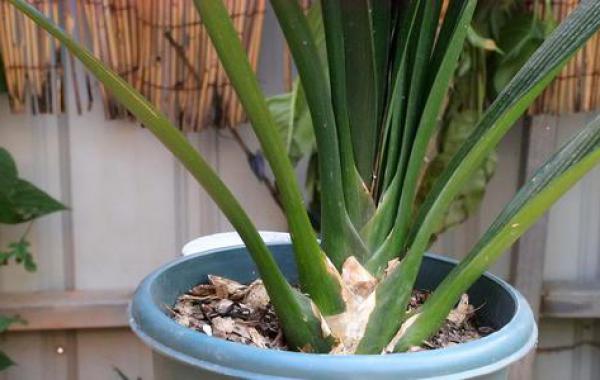
What techniques are there for fertilizing clivia.
There are many techniques for fertilizing clivia, and a few points are introduced below:
Clivia likes fertilizer, and fertilizer must be applied in the right amount. If fertilizer is applied improperly or too much, it is unfavorable for growth and may even cause the plant to rot at the roots or become scorched and withered. Clivia has different nutrient requirements at different stages of growth and development. Therefore, different fertilizing methods are adopted at each stage, such as base fertilizer, topdressing, and foliar fertilization.
Base fertilizer: The purpose is to create conditions for plant growth and development and meet its nutrient needs. The base fertilizer for clivia should be applied when repotting, which is done once every 2 years. Commonly used materials applied into the soil include barnyard manure (that is, poultry and livestock manure), compost, green manure, bean cake fertilizer, and so on.
Topdressing: It mainly promotes plant growth. Liquid fertilizer is the main type. Apply less at the initial planting stage, and later, as the plant grows larger and the leaves increase, the amount of fertilizer should gradually increase accordingly. When fertilizing, scrape open the pot soil and apply it into the soil at a depth of 2-3 cm, but note that the fertilizer applied should not be too close to the root system, so as not to burn the roots. Spray with Xinguozhimo (new high lipid film); on the plant surface, it can prevent pathogen infection, improve resistance to natural disasters, increase the intensity of photosynthesis, and protect the seedlings so they grow strong and healthy.
Foliar topdressing: Fertilizing with this method is mainly to make up for the deficiency of nutrients in the soil, so as to solve the problem of nutrient deficiency in the plant body, making seedlings grow faster and flowers and fruits grow larger and plumper. Foliar fertilization means directly spraying the diluted fertilizer solution onto the leaf surface of the plant with a sprayer, allowing nutrient elements to penetrate through the leaf epidermal cells and stomata into the leaf tissues and then be transported throughout the plant. When spraying, spray evenly on both the front and back sides of the leaves. Once the plant has bloomed, spraying should be stopped. It must be noted that this method can only be used when nutrient deficiency is found in the plant. If the plant has sufficient nutrition and is growing vigorously, it should not be used. Spraying Huaduo Zhuangdiling at the bud stage can promote strong buds, plump petals, bright flower color, rich fragrance, and a longer flowering period.
Clivia is evergreen all year round and has strong shade tolerance. It is an ideal plant for decorating halls, parlors, pavilions, and offices, and is an excellent choice for beautifying parks. It is praised by people as a living work of art and the "money flower." But flower lovers often report that their clivia at home has yellowing leaves, root rot, does not bloom, and so on. So how should we grow this "money flower" well? Now let the editor explain slowly.
1. How to grow clivia
1. Soil
Fertile, loose neutral or slightly acidic humus soil is the most suitable hotbed for clivia. The choice of soil is the number one key factor for clivia,
Here I will share a cultivation soil formula developed by an expert flower grower: 55% leaf mold (the leaf mold is best if it is oak leaves), 15% river sand, 15% pine needles, 10% charcoal, 5% hemp seeds.
a. After sifting the soil, disinfect it.
b. Stir-fry the hemp seeds until fragrant and mix them evenly with the soil.
c. Add a layer of charcoal at the bottom of the pot to increase air permeability at the bottom of the pot and prevent water accumulation. (This portion of charcoal is not counted in the formula)
d. Add a small handful of hemp seeds at the bottom of the pot as base fertilizer. (This portion of hemp seeds is not counted in the formula)
PS: Beginners can also directly purchase special soil for clivia for planting.
2. Light
Clivia likes partial shade. When growing clivia indoors, artificial adjustment is needed for the effect of light on it. The leaves of clivia have phototropism. If it is placed in one place indoors for a long time, the leaves will definitely turn toward the direction of the sun, and as far as its plant shape is concerned, it will be difficult to achieve the ornamental effect of forming a line when viewed from the side and looking like a fan when viewed from the front. Usually, during the day, my mom would put the flower pot in a sunny place. In order for clivia to grow attractively and have ornamental value, you must not be lazy. Every week, you should change the direction of the leaves facing the sun, so that clivia can grow in a well-arranged way. Because the leaves of clivia are opposite, if the light is too one-sided for a long time, it will cause uneven growth.
In response to this situation, an experienced flower lover provided a special trick: place clivia under sunlight at night to supplement light.
PS: How to place the flower pot indoors:
a. Let the leaves be parallel to the sunny window, and adjust in the opposite direction once a week.
b. Let the leaves be perpendicular to the sunny window. Clivia must be placed in a north-south direction. If it is not in a north-south direction, the leaves will grow crooked. What should be done if the leaves grow crooked? You can align the two leaves and clip them together. You can use a playing card to surround them so that the leaves are not damaged. Normally, the leaves will be corrected in 15-20 days.