Goji Berry Propagation Methods and How to Deal with White Powder on the Leaves
Potted goji berry growing. It likes warmth. Grown in a pot, it is not only attractive, but its leaves and fruit (goji berries) can both be eaten, and the old branches trimmed off can even be boiled into tea! Most of the potted flowers in Xiaoman's backyard only get some coffee grounds + fallen leaves mixed with some soil to make organic compost, which is eco-friendly and fertile. Now let's take a look at the propagation methods for goji berry!
Propagating Goji Berry
“Goji berry” can be grown from seed using ripe goji berries, but propagation from cuttings is easier to succeed with, and it also fruits faster than seed-grown plants. I have used this method to raise seedlings and have already given them away to several friends!
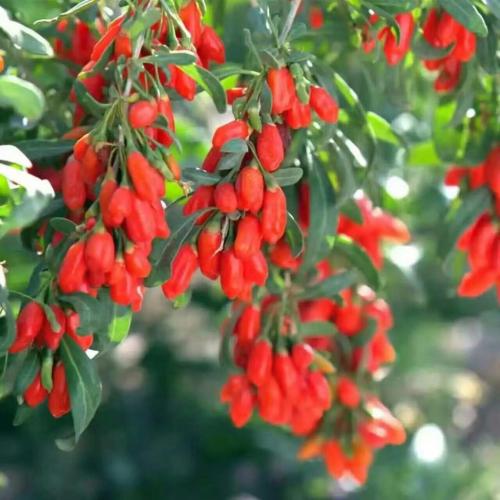
Goji berry is suitable for planting in a spot with good drainage and partial sun. It will bloom successively around late spring, and about 1 month after the flowers fade, the goji berries will gradually change color and ripen. In summer and autumn, when the fruit turns orange-red, it is the peak season for harvesting goji berries.
This is the small purple flower of a goji berry newly planted last spring; about one month after the flowers fade, the fruit (goji berries) can be harvested. 20150626_111556
Caring for Goji Berry
When the temperature is high and the difference between day and night temperatures is large, the goji berry tree easily gets sick. The most common problem is white powder on the leaves, like mold, known as “powdery mildew”. I usually dilute one cup of milk in one gallon of water and add one drop of dish soap or hand soap, then spray a little on the branches and leaves morning and evening; the healing effect is pretty good. Diluting one tablespoon of baking soda (in one gallon of water) + two drops of oil is also effective on leaves with mold.
Also, a friend said that when goji berry grows lushly, the healthy fresh goji leaves can be eaten too! Fresh goji leaves can be used to make soup and fry with eggs.
These are ripe goji berries. Although only a few fruited, I am still very happy.