What should be noted when repotting orchids?
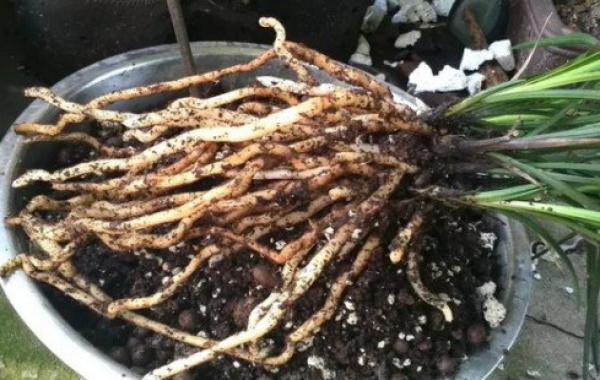
Repotting is an essential step in the process of growing orchids, because proper repotting often strengthens the seedlings and helps them maintain better growth in a new environment. Now it is spring again, and spring is a season relatively suitable for repotting orchids. Besides mastering the correct repotting method, what other precautions are there?
Although orchids are easy to grow, as ornamental potted plants, repotting must not be done carelessly. Only when we handle every step well can we ensure smooth repotting and avoid affecting the normal growth of the orchid plants. Today, the editor will introduce them to you.
1. Before repotting, be sure to observe the growth state of the potted orchid and see whether repotting is necessary. Usually, repotting is done only when there are too many seedlings in the pot and they are too crowded, causing the orchid plants to grow poorly.
2. The timing of spring repotting must be grasped well; not any time is suitable for the orchid plants to recover and grow. It is usually best to repot during February to April, and given different regional environments, the specific repotting time should also be handled flexibly.
3. If the flower pot used for repotting is a new pot, it needs to be soaked in water in advance to remove its temper; if the flower pot used for repotting is an old pot, it needs to be washed, sterilized and disinfected, and then soaked.
4. When preparing new potting soil, the choice of growing medium and the ratio should be scientific and reasonable, all based on being loose and breathable, draining water and retaining water.
5. Before removing the orchid seedlings from the pot, water supply needs to be stopped 2 days in advance so that the orchid plants can be taken out more easily without injuring the plants.
6. After trimming the orchid roots, remember to use carbendazim or potassium permanganate to disinfect and sterilize the wounded parts.
7. Before potting, be sure to make a drainage layer, and operate in a standard way when potting to avoid bringing new harm to the plants.
8. After potting is completed, do not water immediately. Before watering to settle the roots, if the plants are found to be short of water, you can spray more water, and only after about 3-5 days may you water to settle the roots.