How to care for orchids in early spring? Master these care tips
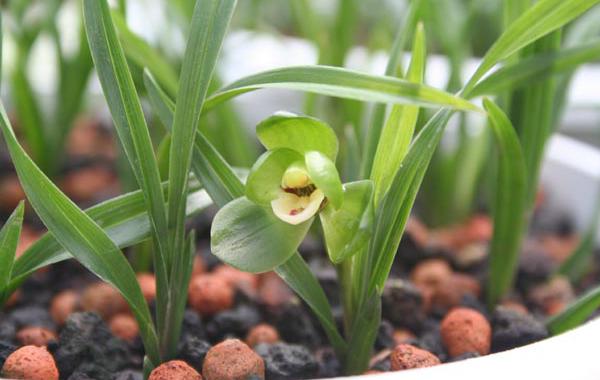
In early spring, all things begin to grow. Orchids have long been known as the gentleman among flowers. Today, the editor will share with you.
In early spring, all fertilizer should be avoided for orchids. At this time, the potting soil should be kept slightly moist; otherwise, the new shoots of Cymbidium ensifolium and Cymbidium kanran will rot and die, commonly known as "black death." The tips of the orchid shoots rot and turn dark brown, extending until the entire shoot withers and dies. If spring shoots rot and die, it will seriously affect the growth, propagation and flowering of the whole pot of orchids that year. As the saying goes: strong spring shoots, weak summer shoots, autumn shoots count for nothing. If spring shoots rot and die, you will not get vigorous new seedlings that year.
Overcast and rainy weather in spring is a period when various pests and diseases frequently occur. Snails, aphids, scale insects, cutworms, mole crickets and other pests begin to harm orchid plants and new shoots; rainy and humid weather will aggravate the occurrence of brown spot disease. Therefore, regularly spray 65% thiophanate or 50% carbendazim at 1000 times dilution. Keep the area around the orchid pots clean, and spread quicklime to prevent pests from entering the pots through the pot walls and drainage holes at the bottom. Frequently check the orchid pots for pests and diseases. For Cymbidium sinense and Cymbidium goeringii whose flowering period has passed, fertilizer should be replenished in time, but avoid applying concentrated fertilizer.
That is all for sharing about early spring orchid care. I believe everyone has gained some understanding, and I hope this article is helpful to you.