What are the sunlight requirements for orchids? A detailed explanation of their light needs
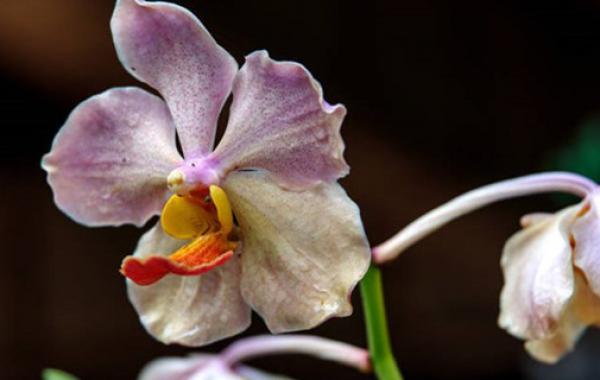
Most orchids like to grow in a semi-shaded natural environment, and their requirement for the sun is gentle light, so they can be grown in a spot with diffused light. But there are also a very few orchid species, such as Cymbidium faberi and Cymbidium ensifolium, that prefer more light. When growing them, you should provide an environment with plenty of sunlight, which lets them grow better.
I. Orchid sunlight requirements
Most orchids like to grow in a semi-shaded natural environment, and their requirement for the sun is gentle light. They are not suited to strong direct sun exposure, so providing them with an environment that has diffused light is relatively suitable. But this is only the general situation. Because there are many orchid species, and some species prefer the sun, they are suited to being grown in a spot with a certain amount of light.
II. Ways for orchids to receive light
1. For most orchids that like a semi-shaded natural environment, growing them in a spot with diffused light is enough. And for species that prefer the sun, such as Cymbidium faberi and Cymbidium ensifolium, it is more suitable to grow them in a spot with ample light.
2. In spring and autumn, when they are in their growing season, they can be given diffused light all day long, or direct light before 8 a.m. and after 5 p.m. In summer, shade work should be done well, providing 5-6 hours of shaded sunlight each day. In winter, they can be placed by the window to receive about 5 hours of direct light. But do not let them receive light when the sunlight is stronger in the afternoon.
III. How to deal with orchids after they get sunburned
If they unfortunately get sunburned, you must first move them to a shady, ventilated spot, and use scissors to cut off the leaves on the plant that show scorch marks or sunburn spots. After that, water them appropriately to maintain a certain humidity, and wait for them to sprout new shoots.