How to Water Orchids? Detailed Explanation of the Correct Methods and Precautions
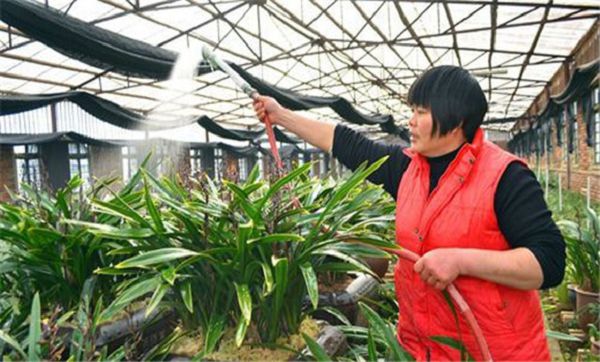
Watering is one of the key measures determining whether orchid growing succeeds or fails. Many inexperienced orchid growers feel very confused about how to water orchids. Let us find out below.
Principles of Watering Orchids
As the saying goes, "dry orchids, wet chrysanthemums," which shows that orchids need far less water than chrysanthemums. Orchid leaves are small and the roots are fleshy; although they do not need too much water, they do enjoy humid air. In early spring each year, orchid new shoots begin to grow. During summer droughts, watering can be slightly increased and the humidity of the leaves and air raised, but water must not accumulate in the pot.
Orchid Watering Methods
There are three methods of supplying water to the roots of orchid plants: pouring, sprinkling (showering), and soaking. Pouring means using a watering can to pour water along the edge of the pot. The advantage of this method is that water will not get into the heart of the leaves; the disadvantage is that watering is slow and it is hard to soak through, so repeated pouring is needed to achieve a thorough soaking. Sprinkling means using a spray bottle or shower head to sprinkle water, wetting the entire orchid-growing environment so that water seeps from the soil surface to the orchid roots and moistens the orchid pot. The advantage of this method is that the water can soak through the entire orchid pot; the disadvantage is that water easily splashes into the heart of the leaves, so it must be used carefully, otherwise the heart will rot. Soaking means immersing three-quarters of the orchid pot together with the growing medium in water. The advantage is that the water can soak through; the disadvantages are that it easily spreads bacteria and is labor- and time-consuming. Expert orchid growers often combine these three methods, with very ideal results.
Precautions for Watering Orchids
In summer, watering should be done in the early morning or at dusk, along the edge of the pot. After autumn, dew on clear nights is heavier, and the soil in the pot should be kept on the dry side, with more sun and less watering; at this time the degree of shading should be reduced and the shading time shortened. After mid-October, all shading materials should be removed and full light given. If autumn has long clear spells without rain and the pot is very dry, more watering can be given. After orchids drop their flowers, or when growth is nearly at a standstill, watering can be reduced. After being brought indoors in winter, it is enough to keep the potting soil at a certain humidity.