Analysis of the Causes of Orchid Root Rot and Prevention Methods
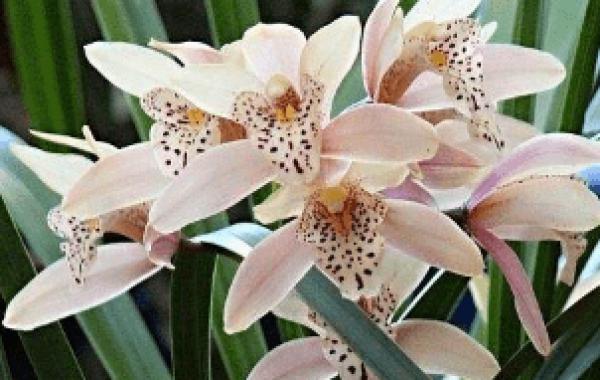
Orchid root rot is a very troublesome problem. Today I will share with you the causes of orchid root rot and how to prevent it.
Causes of orchid root rot and prevention:
Some beginners who grow orchids do not know much about the habits of orchids and find it difficult to grow them well. The leaf tips burn, the plants collapse, and after a year or two only a few dead stumps are left. The reason, in most cases, is rotten orchid roots. As the saying goes, to grow orchids, first grow the roots. Good roots, vigorous leaves, fragrant flowers. To grow a good pot of orchids, you must start by growing the orchid roots well. Only when the root mass develops vigorously and the root system is highly functional can the absorption and transport of water and nutrients, photosynthesis, respiration, and the accumulation of stored energy proceed normally, and only then do growth rate, reproductive capacity, and flowering rate increase. Otherwise, if the root system is poor or has rotted and been lost, the absorption and transport of water and nutrients are blocked, photosynthesis and respiration are reduced, and the orchid will gradually decline and die. Orchid root rot is mainly caused by the following two factors:
(1) The growing medium lacks the function of draining water and allowing air through. Water is the source of all things. Orchids must have water to absorb and transport nutrients and carry out normal metabolism. Orchids are epiphytic plants with aerial roots. During their growth, a small part of the water they need comes from moisture in the air, but most of the water must be taken up from the water contained in the growing medium, and the orchid roots must also take in oxygen from the pores of the medium in the pot for respiration. If the medium in the pot drains poorly and has too high a water content, water will fill the pores of the medium, causing waterlogging. When the pores of the medium are completely filled with water and lack oxygen, the roots suffocate from lack of oxygen, and over time the function of the root system is gradually lost. At this point, as harmful pathogens invade and multiply, the root system will rot as a result.
(2) The water is not clean or the pH of the water is unsuitable. The water used for orchids must be clean and free of pollution. If unclean water is used, some harmful pathogens or toxins will attack and contaminate the orchid roots, causing serious disease of the root system, stems, and leaves, and the roots will turn black and rot and the orchid plant will die. The pH of water used for orchids must be between 5.5 and 6.5. If the pH is below 5, it is on the acidic side, which will restrict the orchid roots' absorption of major elements such as nitrogen, phosphorus, and potassium, and the orchid plant will lack major nutrients and its leaves will show yellowing. In an acidic environment, soil-borne pathogens such as root rot fungi are suited to grow and multiply, harming the root system and accelerating the rot and death of orchid roots. If the pH is above 8, it is on the alkaline side. Alkaline water and medium will obstruct the absorption of trace elements needed for the growth of the orchid plant. If the orchid roots and plant cannot get the nourishment of trace elements, they will gradually wither and die. In response to the above two problems, some corresponding measures need to be taken during cultivation:
(1) Choose and mix a good orchid growing medium. The orchid growing medium must drain water and allow air through, be moist but not waterlogged, and dry but not parched. There are many special orchid growing materials sold on the market now, and they are very suitable, such as Mount Emei soil from Sichuan, expanded clay from Chongzhou, and various special orchid soils from Guangdong; all are very good orchid cultivation materials. You can also mix some leaf mold into these materials to supplement insufficient fertility. You can also use local materials, such as weathered soil, crushed brick granules, crushed charcoal granules, crushed oak bark, etc., mixed with an appropriate amount of leaf mold. The effect is also very good: it drains water and allows air through, retains moisture without waterlogging, and also has a certain fertility. But note that the materials used must be sterile, free of pollution, and free of parasitic insect eggs; otherwise they will also harm the orchid root system.
(2) The water used to irrigate orchids must be clean. Polluted water and unclean water cannot be used. Many orchid books say that stream water and river water are suitable for orchid growth, but most orchid growers live in cities and do not run orchid nurseries, so it is very difficult to meet this requirement. From many years of practice, the author has found that watering orchids with tap water also works very well. If conditions permit, put the tap water in a bucket or basin for a few days to let the chlorine in the water evaporate, which is even better. If spring water or pond water is used to water orchids, you should use pH test paper to test the pH value. If the pH is less than 5, alkaline substances such as lime can be added to adjust it. If the pH is greater than 6.5, hydrochloric acid, acetic acid, citric acid, etc. can be used to adjust it.
(3) No matter what material the orchid pot is made of, the bottom of the pot must have appropriate holes, and it is even better if there are several holes around the lower part of the pot wall. In short, it must allow air through and drain water. When planting orchids, a layer of crushed brick granules or charcoal granules can be placed in the lower part of the pot to help drainage and air permeability. The orchid pot should be placed so that air can circulate around the bottom and walls of the pot. If conditions permit, an orchid rack can be used to raise the pots off the ground, which works even better. Growing good orchids requires a suitable environment of temperature, humidity, light, and so on, but creating a good environment for the orchid roots is an important part. If you grow the orchid roots well, you can also grow ideal orchids.