Can a Clivia with root rot still be saved?
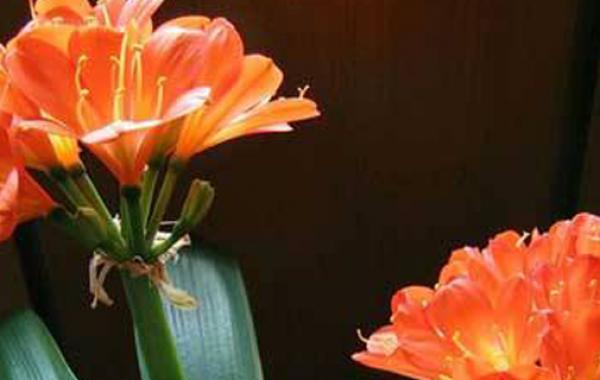
Once the roots have rotted, it can definitely be saved, but if you do not rescue it promptly, it cannot repair itself on its own. After root rot, take it out of the pot, clear away the clinging soil, and prune off the rotten roots and stems. Prepare potassium permanganate for disinfection and fresh potting soil, disinfect the plant and then repot it, and place it in a cool, well-ventilated spot to wait for new roots to grow.
1. Can it be saved?
After the roots of a Clivia rot, it can be saved. Its growing ability is very good, but if you want it to repair itself, that is basically impossible to achieve. Therefore, once you discover that the plant's roots have rotted, you must carry out rescue as early as possible. After a series of rescue measures, you must also master effective care methods, watering it lightly in normal times and paying attention to good ventilation, so that root rot can be prevented from happening again.
2. Rescue methods
1. Remove the rotten roots: Take the plant out of the pot and clear away the clinging soil; if you cannot clearly see which roots are rotten, you can wash it with water. Use clean, sharp scissors to cut off the roots that have rotted; if the leaves and stems have rotted, they must be cut off too.
2. Disinfection and sterilization: After cutting the roots, it cannot be potted immediately, because residual pathogens will still be on them, so potassium permanganate must be used for disinfection before repotting. Soak its roots in water for about 10 minutes, then let them dry.
3. Repotting and root growth: Prepare a new pot of soil, then plant the Clivia in it; at first, place it in a well-ventilated spot and do not expose it to sunlight yet, so that it will grow roots quickly.