How to transplant an orchid bonsai and prevent root suffocation?
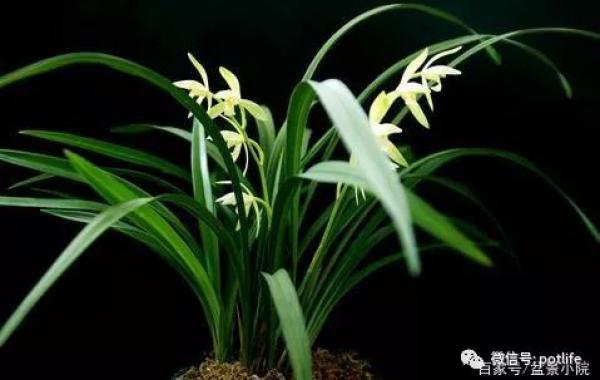
Orchids are plain rather than gaudy, standing gracefully and elegantly, and are deeply loved by the Chinese people; together with bamboo, chrysanthemum and plum blossom they are called the "Four Gentlemen". Growing a pot of orchid bonsai at home can not only decorate the environment but also improve one's own taste, which is really great, so how do you transplant an orchid bonsai? And how do you avoid root suffocation? Let's take a look together below.
The points to note when growing orchids are as follows:
1. Choose suitable soil: in order for the transplanted bonsai to survive smoothly, when choosing soil you must choose one suitable for orchid growth, because if the orchid bonsai cannot smoothly adapt to the potting soil environment, it is very difficult for the orchid to survive, and it is also very easy to cause root suffocation in the orchid, leading to death.
2. Give appropriate moisture. If you want the orchid to survive, proper watering work is essential. In order to do the watering work smoothly, you can insert a wooden stick into the flower pot to help you judge whether watering is needed. If the wooden stick turns white and dry, it means a thorough watering is needed. When watering, it is recommended to use a spray bottle, and avoid washing with a strong stream of water; you can cover the orchid pot with a plastic net to gather and hold things in place, preventing the water from washing the growing medium out of the pot.
3. Place the bonsai under suitable light for cultivation. Orchids are very sensitive to light, and generally they do not like strong light, so when planting or transplanting orchids you need to choose a place with relatively soft lighting conditions for planting, which is beneficial to the survival and growth of the orchid.
4. Reasonable fertilizing is very important for the growth of the bonsai. Although orchids do not have a great demand for fertilizer, if you want the orchid to grow well you still need to give sufficient fertilizer and water, but note that fertilizer must not be excessive; it is generally recommended to use foliar fertilizer, and you can add dilute liquid fertilizer when spraying water.
The causes of orchid root suffocation are as follows:
1. Environmental reasons: some orchid growers, after planting, worry that the orchid is too frail to withstand the wind, so they move it indoors for "careful" maintenance, not realizing that at this time the orchid especially needs fresh air (another stage when it especially needs fresh air is the flowering period). If you do not pay attention at this time, root suffocation will occur, and in serious cases it will also lead to the death of the orchid.
2. Growing medium reasons: when planting, worrying that the orchid roots cannot fit tightly against the growing medium, they press the growing medium down with great force, causing the air in the potting soil to be compressed; the orchid roots then have no air to breathe, and root suffocation occurs.
The above are the points to note when transplanting orchids, as well as the causes of root suffocation. If you want your orchid to grow well, when planting you should understand some detailed knowledge, and at the same time avoid the occurrence of root suffocation; after all, an orchid with root suffocation will directly affect the orchid's survival rate, and may cause the orchid to fail to adapt to the pot and die.