How to grow clivia so it blooms multiple times a year
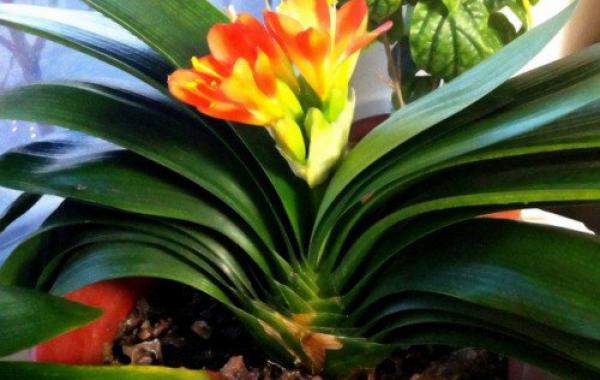
For clivia, the flowering period is relatively long; with good care it can bloom in 2-3 years, and at the latest in 4-5 years, so if you want potted zygocactus to bloom 2-3 times a year, everyday cultivation must be done properly. So, how then.
1. Do not repot frequently
Regular repotting is a fairly necessary task for many potted flowering plants, but unless it is necessary, potted clivia should not be repotted frequently, and the frequency of repotting clivia needs to be kept under control. Also, when repotting, the pot should not be chosen too large, otherwise nutrients tend to become too dispersed. Generally choose a slightly smaller pot, as this makes it easier to constrict the roots, thereby better promoting flowering.
And before the bud stage, do not move the pot around often, because after a plant is moved it needs to re-adapt to the new environment, which will inevitably have some effect on its growth, especially bringing adverse consequences for smooth flowering. Therefore, before clivia enters the bud stage, its placement should be fixed, and in particular a spot with smooth air circulation and good light should be chosen.
2. Supplement fertilizer in time
During the growing period, clivia generally needs a top dressing every half month, usually with fermented and thoroughly decomposed organic cake fertilizer water. This is because decomposed organic fertilizer is not only well absorbed, but also less likely to cause fertilizer burn, which is often very crucial for flowering plants. And about 3 weeks before the flowering period, clivia can be given fertilizers with a high content of phosphorus and potassium, since clivia needs more phosphorus and potassium fertilizer to flower.
3. Artificially increase the temperature difference
Usually, reasonably regulating the temperature and maintaining a relatively large temperature difference can promote clivia flowering, thereby achieving the goal of extending the flowering period. Generally, clivia enters a dormant state in temperatures above 25°C, and in order to promote smooth bud formation, we can usually take artificial intervention to create a low-temperature environment for the potted plant, artificially increasing the temperature difference. During the day it can be placed on a sunny and warm south-facing balcony, while at night it can be placed on a shaded and cool north-facing balcony.
4. Prune in time after flowering
After the potted clivia finishes flowering, we need to cut off its flower stem in time, which can both save nutrients and stimulate the plant to resume growth. And clivia itself also needs nutrients to resume growth after flowering, so the saved nutrients can be sent in a concentrated way to the plant, thereby better restoring growth and laying a good foundation for the next round of flowering.