Clivia Seed Sowing Time and Method Explained in Detail
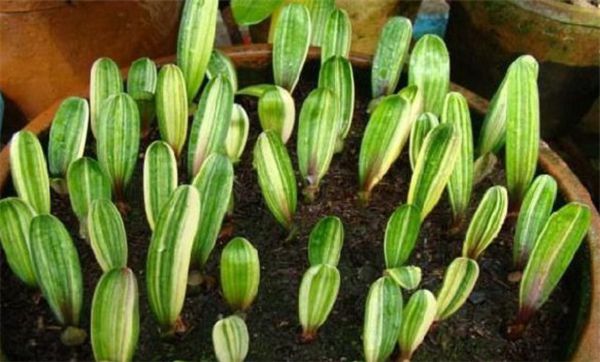
Clivia only produces seeds after artificial pollination. Once the seeds are ripe, sow them individually in a seedbed or flower pot using fine sand or fine sawdust as the growing medium. Below, let us learn about the sowing time and method for clivia.
Clivia Sowing Time
The sowing time for clivia is generally from November to February of the following year. About 50 to 60 days after sowing, the first leaf grows, and after about 3 months the seedlings can be divided and transplanted into pots. Because the stamens of clivia are shorter than the pistils, the pollen shed does not easily land on the stigma, and since clivia is mostly grown indoors with no pollinating agents, artificial pollination is necessary for it to produce seeds.
The Specific Sowing Method for Clivia
First, collect the stamen pollen from the selected male parent plant with a brush and store it in a glass container. When the stigma of the pistil becomes shiny and secretes a sticky fluid, dip a brush in the pollen and gently flick it toward the stigma so the pollen falls onto the stigma. Then attach a label recording the pollination date and the names of the parent plants. Each flower can be pollinated 2 to 3 times, each time between 10 a.m. and 3 p.m., and the optimum temperature for pollination is 15 to 18°C; temperatures too low or too high will affect the fruit set rate. The fruit matures 8 to 10 months after pollination.
How to Cultivate and Manage Clivia
After sowing, the clivia seedlings are divided and transplanted when they have grown 1 to 2 leaves. The potting soil can be a mixture of 7 parts horse manure soil and 3 parts river sand, or 7 parts forest humus soil and 3 parts river sand. When planting the small seedlings into small pots, gently fill in the growing soil so as not to damage the roots. After planting, water thoroughly and place in a ventilated spot indoors, keeping the temperature at 15-20°C. During the seedling stage, water once a day when summer temperatures are high. In winter when temperatures are low, water thoroughly only after the potting soil has dried out; no fertilizing is needed, as the nutrients contained in the new growing soil are already enough to meet the growth needs of the seedlings.