How Soon After Repotting a Clivia Should You Water It? A Detailed Guide to Watering Timing
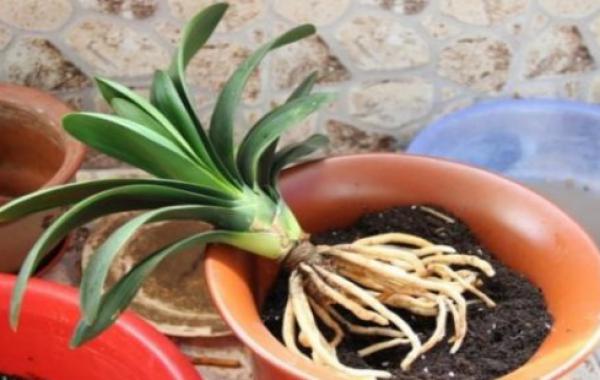
Fellow orchid lovers all know that repotting is a very necessary task, and it usually needs to be done once every 2 years; this is basically the same for potted clivia (Clivia miniata). Before preparing to repot, watering is usually stopped a few days in advance, and only after the soil in the pot has dried slightly is it easier to proceed. At this point, compared with clivia under normal watering management, the roots tend to be softer, and the damage to the roots during repotting tends to be much smaller. So, how soon after repotting should you water it?
Whether it can be watered promptly after repotting is something we will set aside for now. However, based on experience repotting clivia, we can offer a recommendation. First, when potting up and transplanting, choose moist soil, and it should have a certain degree of moisture, usually judged by the standard that when you grasp the soil and squeeze it tightly, no obvious dripping occurs. After potting up is complete, water it immediately, because after repotting, the plant goes through a process of recovering and establishing itself in the pot. To be safe, watering immediately is not recommended, so how do you do a good job of maintaining moisture?
Since we used moist potting soil to repot and plant it, as long as it is not placed under strong light and exposed to the sun, the water in the pot will generally not be lost in large amounts. Moreover, after repotting, the plant is usually placed in a cool, ventilated spot, and it should not be exposed to the sun. So the soil in the pot will not dry out for a while. Therefore, there is no need to water immediately.
Also, after repotting, the plant is often at its most vulnerable stage of growth. If watered immediately at this time, it is very easy to make the potting soil too wet, which affects the normal respiration and absorption capacity of the plant's roots. In serious cases, root rot may occur, thereby affecting the plant's survival rate after repotting. So, for safety's sake, it is usually not watered immediately.
However, sometimes due to various factors such as too strong air circulation, clivia may unavoidably show signs of water shortage after repotting. Even so, we do not recommend watering directly, since heavy watering can easily trigger growth problems. The safer approach is to spray water as needed, and it is recommended to spray water several times a day to achieve a moisture-retaining effect, so that the plant will not have its survival affected by water shortage.
The process of recovering and establishing itself in the pot after repotting usually takes about a week. As long as you do a good job of spraying water regularly, the plant generally will not show signs of water shortage, and after a week of smooth recovery and stabilization, we can resume normal watering management. This is mainly the approach taken for repotting mature clivia plants. So, what if it is a small seedling being repotted? What should be done then?
If it is a clivia seedling being transplanted into a pot, it usually needs to be watered thoroughly promptly after repotting to settle the roots. Because the plant is still a young seedling, its root system is relatively small and rather tender; once drought occurs, it easily affects survival. Therefore, when potting up clivia seedlings, they should be watered promptly to settle the roots first.