What are the key technical points for controlling anthracnose in orchids?
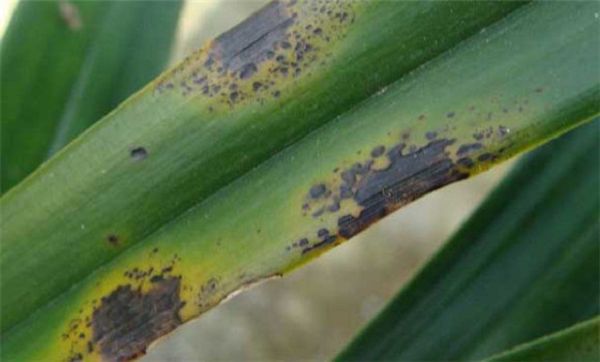
In orchid cultivation and management, anthracnose develops rapidly and seriously affects orchid growth and ornamental value, so it must be given close attention and controlled with every effort.
The pathogen of anthracnose in orchids
The pathogen of anthracnose is a fungus of the genus Gloeosporium in the Deuteromycetes (Fungi Imperfecti), and this pathogen survives on the diseased residues of host plants. In spring it forms conidia, and during the growing period it can cause repeated infection, with the disease being severe in July-August. When ventilation is poor and there is damage by scale insects, the disease is severe. In addition, the pathogen overwinters as mycelium in diseased leaf tissues or in the soil, generally surviving for about one year, and usually spreads through diseased plants or contaminated soil. In early April each year, old leaves begin to show symptoms, and by August new leaves also begin to show symptoms.
Symptoms of anthracnose in orchids
Anthracnose mainly occurs on the leaves. The lesions are initially dark brown spots with a chlorotic halo around them. After the lesions expand, they become elliptical to elongated streaks, with dark brown edges and brown interiors, and the lesions are slightly raised. In the later stage, black granular bodies appear on the lesions, and under humid conditions these black granular bodies can extrude pink gelatinous material, namely the pathogen's acervuli and conidial masses.
Control methods for anthracnose in orchids
For the control of anthracnose, phosphorus and potassium fertilizers should be applied in greater amounts, nitrogen fertilizer should be applied in a controlled manner, and pest insects should be eliminated promptly. In the early stage of the disease, a 0.3%-0.5% Bordeaux mixture or a 65% zineb 800-fold solution can be sprayed, and a 50% carbendazim 800-fold solution, a 70% thiophanate 1000-1500-fold solution, or a 60% anthracnose thiram 800-fold solution can also be sprayed.