What are the key points and requirements for growing orchids?
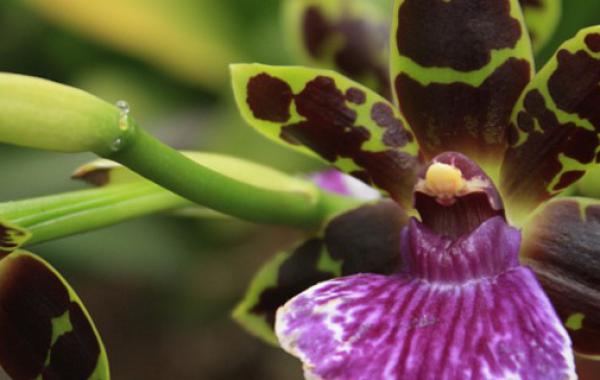
Growing rules: To grow epiphytic orchids, use a sufficiently breathable, soft potting medium; to grow terrestrial orchids, use a thick, soft growing soil. Normally, keep them in a warm room with scattered light and maintain ventilation. Key growing points: During the growing season, water once every 2-3 days, and apply a balanced compound fertilizer 2-3 times a month. Before the flowering period, apply phosphorus and potassium fertilizer several times. In winter, reduce or stop watering.
I. Growing rules
1. Substrate requirements: Orchids are mainly divided into two types: epiphytic orchids and terrestrial orchids. If the orchid being grown is an epiphytic orchid, then a sufficiently breathable, soft potting medium must be used, which can be mixed from sphagnum moss, rotten tree roots, stones, expanded clay pellets, and the like. If a terrestrial orchid is being grown, then a thick, soft growing soil must be used, which can be mixed from soil layers such as leaf mold, peat soil, sand, and garden soil.
2. Environmental requirements: Most orchids like a semi-shaded, warm care environment and cannot tolerate extreme environments such as high heat, stuffiness, cold, dimness, and direct sun exposure. Therefore, when growing them, it is recommended to place them in a warm room with scattered light and maintain ventilation.
II. Key growing points
1. Watering: Most orchids are relatively moisture-loving. Therefore, when growing them, pay attention to watering promptly and do not let their potting medium dry out completely. During the growing season, water once every 2-3 days. In winter, their growth rate drops significantly, so the watering frequency must be reduced, preferably to once every 10-15 days. If the temperature is extremely low, watering can be stopped.
2. Fertilizing: They are relatively fertilizer-loving and need ample nutrient support to grow well. Therefore, when growing them, also pay attention to fertilizing promptly. During the growing season, apply a balanced compound fertilizer 2-3 times a month. When the flowering period is near, phosphorus and potassium fertilizer should also be applied several times to stimulate flower bud development and help them bloom as soon as possible.