What to Do If a Phalaenopsis Orchid's Flower Spike Grows Slowly? Causes and Solutions
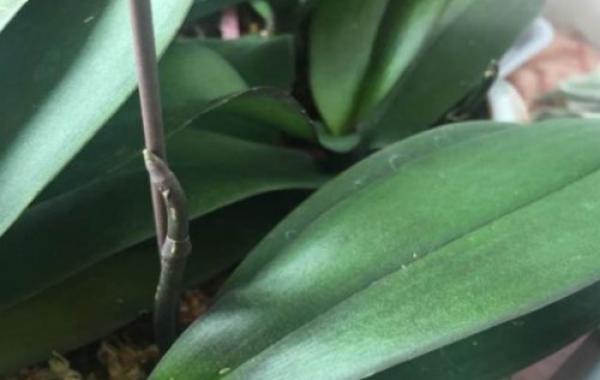
Phalaenopsis orchids generally grow flower spikes in winter, and some varieties begin growing flower spikes after early autumn, but most varieties grow flower spikes in winter. The care and management during the period when Phalaenopsis orchids grow flower spikes is very important; if they are not cared for well, the flower spikes may grow slowly. So, what should you do?
Since Phalaenopsis flower spikes mostly grow in winter, and winter temperatures are relatively low and light is relatively weak, growth is often affected by these factors. Because Phalaenopsis has poor cold tolerance, when the ambient temperature is too low, its normal growth is often affected, and the most obvious sign is slowed growth.
Therefore, if a Phalaenopsis flower spike grows too slowly, it is often caused by ambient temperatures that are too low. Generally, the ambient temperature should be kept stable above 15°C in winter, which can prevent growth from slowing due to the effects of low temperatures. But as flower bud differentiation approaches, it is also necessary to maintain the necessary low temperatures appropriately; otherwise, it will be difficult for the plant to differentiate mature flower buds.
In addition to low temperatures possibly causing slow growth of Phalaenopsis flower spikes, air humidity in the environment is also an important factor. Because winter air is generally relatively dry, and Phalaenopsis has relatively high requirements for air humidity, when the plant encounters air humidity that does not meet the standard while growing flower spikes in winter, it will also affect the growth of the flower spike.
Therefore, when the winter air is too dry, we should spray water more often to increase air humidity and create a suitable humidity environment for Phalaenopsis. Under normal conditions, the relative air humidity in the environment needs to be maintained between 60%-80%, which is more conducive to the healthy growth of the plant.
But air humidity that is too low or too high is also unfavorable for the plant's growth, so we also need to ensure smooth ventilation and bright light in the environment, especially that the humidity in the pot is not too high, thereby preventing the plant from being kept in a stuffy, humid environment. This is not conducive to the growth of the plant's flower spike, and may also cause many poor growth problems such as root rot and leaf rot, thereby causing the flower spike to wither.