How to care for potted white magnolia (Michelia alba) in winter? A full breakdown of care tips
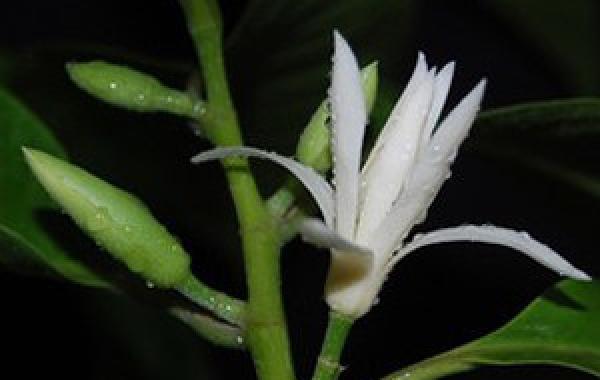
Everyone knows a bit about white magnolia (Michelia alba), but when huangjuelan and white magnolia are placed together, there is a vague feeling that without a close look, it is really hard to tell them apart. Below, the editor explains for everyone: is white magnolia huangjuelan? How to distinguish white magnolia from huangjuelan. The difference between white magnolia and huangjuelan: because white magnolia and huangjuelan look so similar, many flower lovers are...
Everyone knows a bit about white magnolia (Michelia alba), but when huangjuelan and white magnolia are placed together, there is a vague feeling that without a close look, it is really hard to tell them apart. Below, the editor explains for everyone: is white magnolia huangjuelan? How to distinguish white magnolia from huangjuelan. The difference between white magnolia and huangjuelan: because white magnolia and huangjuelan look so similar, many flower lovers are completely confused and cannot tell them apart. In fact, as long as you pay attention to the following points, it is still quite easy to distinguish them. 1. Color: white magnolia and huangjuelan really do look similar, but the obvious difference is that the flowers of white magnolia are white, while the flowers of huangjuelan are pale yellow. This point alone makes it very clear, and I believe sharp-eyed flower lovers can tell them apart at a glance.
The cold winter has arrived, the temperature is low, and plants and flowers need protection. As a flower of the Magnoliaceae family, white magnolia (Michelia alba), then? In winter, what requirements does white magnolia have for temperature and watering?
How to grow potted white magnolia (Michelia alba)
1. Choice of flower pot and soil: For home potted white magnolia (Michelia alba), choose soil that is loose, highly breathable, and relatively rich in humus for cultivation. Usually choose a clay pot, purple clay pot (or jar) with good breathability, or a plastic pot with more bottom holes. The soil in the pot should contain a certain amount of granular soil of varying sizes to facilitate water drainage and air permeability.
2. How to repot: According to the size of the white magnolia's crown and the length of its age, replace it with a pot or jar of appropriate size to help the plant grow vigorously. When doing this, wait until the pot soil is slightly dry, slowly tilt the pot (or jar) (or turn it upside down), support the pot with one hand, hold the plant firmly with the other hand, and pour the white magnolia out into the new pot. A small amount of loose soil should be placed in the new pot (or jar) in advance, then water thoroughly, and once it is planted stably it is fine.
3. Planting position: From March to April each year, move the pot or jar containing the white magnolia outdoors and place it in a sunny spot. In summer, when the temperature is high, choose shade netting as appropriate or build a simple shade shed, so that the white magnolia can receive the morning sun while avoiding the strong light of summer afternoons (to avoid sunburn damage to branches and leaves).
4. Pruning: For potted white magnolia, choose a suitable height, use pruning shears to cut off the terminal buds and shorten some side branches. After the terminal buds are cut off, it helps produce more side branches, more flower buds, and more flowers.
5. Fertilizing: During the vigorous growth period of white magnolia (usually May to June or July to August each year), apply flower fertilizer about once every half month, or apply a small amount of nitrogen, phosphorus, and potassium compound fertilizer at around 20, 2 grams to 6 grams each time. The specific operation is: first use a small iron shovel to draw several vertical and horizontal small grooves in the soil in the pot, then slowly sprinkle the fertilizer into the grooves, cover it with the surface soil in the pot, and water a little. Let the fertilizer gradually penetrate to the plant's roots with each watering. Never sprinkle fertilizer directly onto the roots, to avoid "burning the roots" caused by excessive fertilizer effect in the soil around the roots. Apply thin fertilizer frequently, with cake fertilizer being best. Do not fertilize in winter. After new buds sprout, start until June, water with fertilizer solution once every 3-4 days; from July to September, water with fertilizer solution once every 5-6 days. After applying fertilizer several times, stop applying it once.
6. Watering: Whether watering is done properly is the key to caring well for white magnolia. White magnolia should not be watered too frequently or too much. The correct watering method should be: moisten the soil in the pot thoroughly in one go, and when the soil in the pot is slightly dry, there is no need to water. Remember not to water every day, but you can often use a small spray bottle to spray water on the leaves. In summer, water thoroughly no fewer than three or four times a month (plus spraying water on the leaves). An easier method to grasp is: as long as you see the leaves of the white magnolia drooping, it is time to water. In autumn, water thoroughly two or three times a month; in winter, water thoroughly once or twice a month. Because the root system is fleshy, it fears waterlogging and is not tolerant of drought. In spring, after moving outdoors, water thoroughly once, then water thoroughly once every other day; in summer, once in the morning and once in the evening, and in very dry conditions spray water on the leaf surface; in autumn, once every 2-3 days; in winter, restrict water, as long as the pot soil is slightly moist it is fine; after rain, promptly pour off accumulated water.
7. Temperature: It is not cold-tolerant. Except for South China, all other regions must move it indoors for winter care, and the room temperature should be kept above 5°C. The suitable time to move it outdoors is from Qingming to Guyu.
That is all the introduction for everyone. I believe that after understanding it, you will definitely cherish and take good care of your white magnolia.