Do yellowing leaves and scorched tips on orchids mean they need fertilizer?
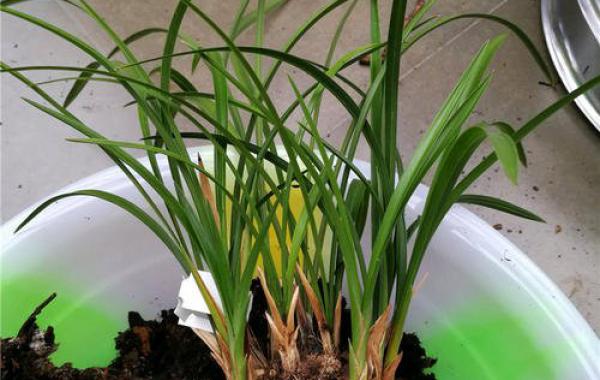
Do yellowing leaves and scorched tips on orchids mean they need fertilizer?
For yellowing leaves and scorched tips on orchids, you should first check whether there is a problem with fertilizer application.
1. Fertilizer applied too strong
Orchids prefer light fertilizer and do not tolerate strong or raw fertilizer. If fertilizer is applied too strong once, especially excessive chemical fertilizer, it often damages the roots, which in turn causes yellow leaves or scorched tips.
2. Fertilize reasonably
Apply light fertilizer skillfully, and never apply strong fertilizer or unfermented liquid fertilizer. On the morning of the second day after fertilizing, water once with clear water to dilute the fertilizer and avoid fertilizer burn.
3. Suitable light
Orchids like partial shade. Apart from giving them a bit more sunlight in early spring and winter, take shading measures promptly after summer arrives to avoid direct strong light; it is best to grow them under a shade canopy or in a sheltered spot by a building.
4. Timely prevention and control of pests and diseases
Prevent diseases and eliminate insect pests early, with special attention to controlling anthracnose, black rot, scale insects, and so on.
5. Use suitable soil
Choose a slightly acidic, loose, fertile growing medium, and pay attention to repotting and changing the soil at the right time, applying a ferrous sulfate solution once at regular intervals to keep the potting soil slightly acidic.
1. Too much or too little watering
Orchids like a humid climate, and especially like higher air humidity. If water is insufficient for a long time and the air is too dry, the roots will shrivel and their absorption function will weaken, causing water and nutrients to fall short of demand, which leads to yellowing leaves or scorched tips. Conversely, if watered too much and the potting soil stays too wet for a long time, the roots are also prone to rot, yellow leaves appear, and the plant may even die.
2. Too much or too little light
When growing orchids, if the placement is inappropriate and the light is too strong or insufficient, it can also cause yellow leaves, scorched tips, or withered and scorched leaf edges.
3. Fertilizer applied too strong
Orchids prefer light fertilizer and do not tolerate strong or raw fertilizer. If fertilizer is applied too strong once, especially excessive chemical fertilizer, it often damages the roots, which in turn causes yellow leaves or scorched tips.
4. Damage from pests and diseases
When orchid plants are attacked by pests and diseases, the leaves and roots are also damaged, ultimately resulting in yellow leaves and scorched tips.
In addition, unsuitable pH of the growing medium (soil on the alkaline side), long-term failure to fertilize or repot and change the soil, and environmental pollution can all easily cause orchid leaves to turn yellow, wither and yellow, or have scorched and withered leaf edges and tips.
Preventive measures for yellowing leaves and scorched tips on orchids
1. Water scientifically
Decide whether to water and how much to water according to the season, the growth and development stage, and the dryness or wetness of the potting soil, with special attention to increasing air humidity and avoiding potting soil that is too dry or waterlogged for a long time.
2. Fertilize reasonably
Apply light fertilizer skillfully, and never apply strong fertilizer or unfermented liquid fertilizer. On the morning of the second day after fertilizing, water once with clear water to dilute the fertilizer and avoid fertilizer burn.
3. Suitable light
Orchids like partial shade. Apart from giving them a bit more sunlight in early spring and winter, take shading measures promptly after summer arrives to avoid direct strong light; it is best to grow them under a shade shelter or in a sheltered spot by a building.
4. Timely prevention and control of pests and diseases
Prevent diseases and eliminate insect pests early, with special attention to controlling anthracnose, black rot, scale insects, and so on.
5. Use suitable soil
Choose a slightly acidic, loose, fertile growing medium, and pay attention to repotting and changing the soil at the right time, applying a ferrous sulfate solution once at regular intervals to keep the potting soil slightly acidic.