What are the common pests of orchids? A detailed guide to prevention and control methods
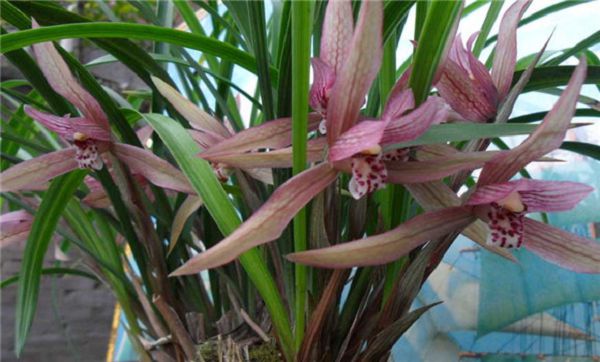
The most common orchid pests and diseases include scale insects, snails and slug molluscs.
The harm caused by scale insects
Scale insects are common pests in orchid cultivation, mainly parasitic on the stems and leaves of orchids. They insert their piercing-sucking mouthparts into the tissues to suck sap, affecting the normal growth of the orchid plant. The wounds they create are highly susceptible to disease infection, and the secretions of scale insects easily lead to the occurrence of black mould disease. Scale insects have a very strong reproductive capacity. On orchids they can reproduce for multiple generations a year. Eggs hatch into nymphs, which after a short period of crawling form a scale shell. Because scale insects have a waxy outer shell, ordinary pesticides do not easily penetrate, making control relatively difficult. Once an infestation occurs, it is not easy to clean up completely.
How to prevent and control scale insects when growing orchids
There are many species of scale insects, and those commonly seen on orchids include: armoured scales, striped mealybugs, orchid scales, chaff scales, and white peach scales.
When only a small number occur, manual control is usually used. A soft brush can be used to gently brush them off, then rinse clean with water. Chemical control is based on the occurrence of scale insects, spraying during the peak hatching period of the eggs. At this time the nymphs have just hatched and no waxy shell has yet formed on their body surface, so they are easily killed by pesticides. Spray once every 5-7 days, for three or more consecutive sprays. You can spray 1000-fold dilutions of 50% omethoate emulsifiable concentrate, 50% malathion, 25% phosmet emulsifiable concentrate, or 80% dichlorvos emulsifiable oil. When spraying, apply evenly and thoroughly, covering both the front and back of the leaves. If the pest infestation is too severe, manual brushing followed by spraying gives a better effect.
Snails and slug molluscs
Snails have a hard shell protecting their soft bodies, while slugs have no shell. These two types of animals mostly appear in the perpetually damp and dark orchid greenhouse, and by nature they like shade and fear moisture, dryness and strong light. During the day they mostly hide in dark, damp places, and come out at night to feed, gnawing on the young leaves, young roots and flowers of orchids. Because they eat a large amount, they can often eat an entire orchid flower beyond recognition in a single night.
Once they occur in large numbers, the damage is relatively serious. When you see shiny transparent slime trails on the leaves, the edges of pots and the benches, this indicates that such molluscs are active.
How to prevent and control snails and slug molluscs in orchid cultivation
1. Poison bait trapping: mix bran with arsenic, trichlorfon and the like, and scatter it in the places where they are often active.
2. Spray pesticides such as trichlorfon and deltamethrin around the orchids, on the benches and on the flower pots, or scatter lime or saturated salt water.
3. Pay attention to cleanliness and hygiene in the greenhouse, and promptly remove dead branches and fallen leaves.