Why do Mi Lan (Aglaia odorata) flowers appear in abundance yet lack fragrance?
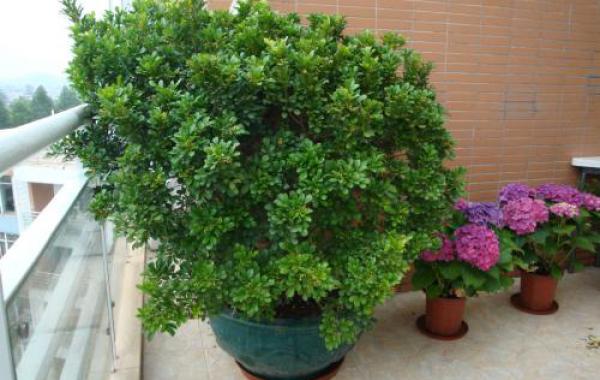
What causes Mi Lan (Aglaia odorata) flowers to appear in abundance yet lack fragrance.
When growing and cultivating Mi Lan (Aglaia odorata), we find that some plants produce many flowers but no fragrance, and so some people assume this is a difference between varieties, when in fact it is entirely caused by improper management. Mi Lan care should note: during the growing season it should be placed in a well-ventilated spot that receives more than 5 hours of sunlight and also has half a day of shade; it should not be given too much nitrogen fertilizer, but rather decomposed fertilizer rich in phosphorus and potassium, or alum fertilizer water made by soaking livestock hooves and horns or fish scales; temperatures below 15°C, overly concentrated fertilizer, soil that is alkaline or too acidic, and light that is too weak or too strong will all affect the concentration of the floral fragrance to varying degrees.
Some Mi Lan (Aglaia odorata) plants lose their lower leaves, becoming top-heavy, which affects their ornamental value and growth. When this happens, pinch out the growing tips and remove the top immediately to control leggy growth; for newly formed flower clusters, thin out 1/2 of them so that the leaves receive an adequate nutrient supply and the lower leaves are prevented from continuing to drop; protect against freezing cold winds or draughts, and do not let the temperature fluctuate suddenly, so as to aid recovery; check whether the potting soil is alkaline and whether there are pests, and whether there is overwatering, overly concentrated fertilizer, or the use of unrotted fertilizer, and if so, treat the cause immediately.
Mi Lan (Aglaia odorata) tends to lose a large number of leaves over winter, which is extremely detrimental to growth and flowering the following year. First, observe the signs: leaves that are dark brown and wilted are a sign of freezing damage, and the temperature should be raised promptly or the plant moved to a warmer place so it can gradually revive. Leaves that turn yellow and drop are caused by poor ventilation or soil that is too dry. Green leaves dropping is caused by soil that is too wet, so prevention should be the focus, and as the weather turns cool, fertilizer and water should gradually be reduced. After winter sets in, Mi Lan's physiological activity is weak, so at this time low temperatures with high humidity, or dry air, must be avoided. Continuous low temperatures below 5°C, draughts, and long-term insufficient light can all also cause leaf drop. Keep the leaf surface clean at all times, and especially guard against cooking fumes, so as not to hinder leaf respiration and photosynthesis. In autumn, delay moving it indoors to exercise its cold resistance, and in spring, after Qingming when temperatures are stable, move it back outside; this is beneficial for protecting the leaves.
Mi Lan (Aglaia odorata) likes a warm climate, moist air and a sunny environment, but it is not cold-tolerant and is slightly shade-tolerant. Loose, fertile, slightly acidic soil is best. The winter temperature is best above 10°C. Mi Lan likes moisture, but watering should not be excessive, otherwise it causes root rot and leaves to wither and drop; too much watering during the flowering period causes buds to drop, while too little watering easily causes Mi Lan's leaves to turn yellow and wither, so in summer when temperatures are high, water 1-2 times a day. Spray water on the leaves frequently to keep them moist. Fertilizing Mi Lan should also be done appropriately. Mi Lan blooms multiple times within a year, and after each bloom it should promptly be given 2-3 applications of fully decomposed dilute liquid fertilizer, so that it blooms continuously with a rich fragrance. Mi Lan likes acidic soil, so for pot cultivation choose a growing medium based mainly on leaf mold. During the vigorous growth period, spray once a week with a 0.2% ferrous sulfate solution, and the leaves will be green and the flowers abundant.
Mi Lan (Aglaia odorata) should be pruned and shaped starting from the seedling stage, keeping a section of main trunk 15 cm to 20 cm tall; do not let the main branches grow out in a cluster from the soil surface, but instead prune and branch above the 15 cm trunk, so that the plant's form is full. The lower branches of old perennial plants often age and die. Therefore, in northern regions it is best to cut back once every other year during the hot season, prompting adventitious buds on the lower part of the main branches to sprout and grow new side branches, thereby keeping the tree's shape well-proportioned, the plant vigorous, and the foliage dense and flowers abundant.
Mi Lan (Aglaia odorata) likes ample light, likes high temperatures, is not cold-tolerant and not drought-tolerant; during the growing period it needs frequent watering and frequent fertilizing to ensure vigorous growth. It can also grow in half shade, but it will not bloom or will bloom sparsely, with weak branches that droop easily. In winter it needs temperatures above 10°C to survive the season. Mi Lan's flowering period is generally from May to September, but with proper care the flowering period will be longer, and with ample light, fertility and suitable temperatures it will bloom.