What to Do When the Main Stem of a Lily Sprouts? Teach You the Correct Way to Handle It
The lily is a flowering plant with very beautiful blooms, highly suitable for flower viewing, and it can also give off a rich fragrance that fills a space with sweetness, which is why it is so widely loved. But for most varieties, it generally blooms only once a year, while a few varieties can bloom twice a year, and it requires good routine care and management.
Lilies generally bloom in spring and summer. After the flowering period ends, the above-ground part of the plant gradually withers, and the lily gradually enters a dormant state, waiting until the weather turns cool in autumn to resume growth. But generally at this time we need to promptly remove the spent flowers, cut off the withered parts, and at the same time strengthen bulb care to promote the rejuvenation of the bulb. But it is also precisely at this time that tender shoots may emerge from the lily's stem.
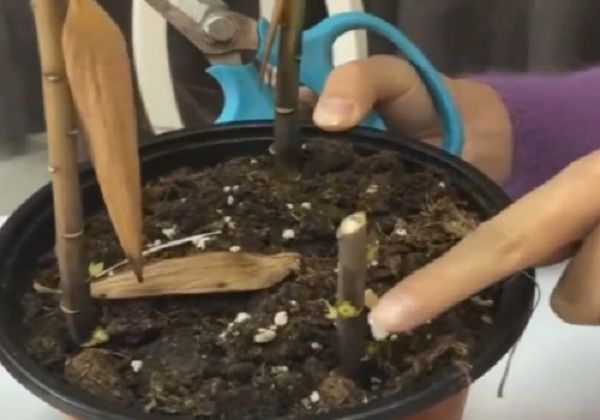
Under normal circumstances, we need to promptly cut off the above-ground part to save nutrients, but the part of the stem to be trimmed must be controlled properly. Generally, after the flowers fade, the flowering branches should be cut off promptly; at the same time, if the upper part of the stem has dried up, the dried portions of the upper stem should also be cut off. If new shoots have grown on the stem, be sure to keep these tender shoots, and simply cut the stem 2-3 cm above the tender shoots.
Then shorten the other stems in the same way as described above, but be careful not to cut off the entire above-ground part right at the base of the stem, otherwise you will cut off the new shoots sprouting from the lower part of the stem. And after pruning, the potted plant needs to be placed in a cool, ventilated environment for care, and then it does not need much management. You can even stop watering it for the entire winter that follows.
But generally during the summer dormant period, not all lily varieties necessarily wither; many varieties need to wait until late autumn for the above-ground part to wither extensively. So if the above-ground part is still green after the summer flowering period ends, usually you only need to cut off the flowering branches. If there are shoots at the lower part of the stem, keep them, and then carry out care and management in the normal way.
Keeping the green above-ground parts, especially the leaves, is mainly to promote photosynthesis and achieve the goal of nourishing the bulb. When the weather turns cool in autumn, the plant will resume growth. But after the above-ground part withers in late autumn, we then cut off the withered parts, leaving only the lower part of the stem and the tender shoots on the lower part, and for the entire winter that follows, watering is usually not needed.
Of course, if no shoots have sprouted on the stem, we can also lift the bulbs and store them in the refrigerator or store them in sand. When early spring of the following year arrives, we can take the bulbs out and replant them. But for beginner growers, this method is generally not recommended; it is advised to let the bulbs stay in the potting soil, and there is no need to deliberately fuss over the bulbs in the soil. When the temperature warms up in spring, they will sprout normally, and then you can resume normal care and management.