Reasons Why Amaryllis Grows Poorly and How to Fix It
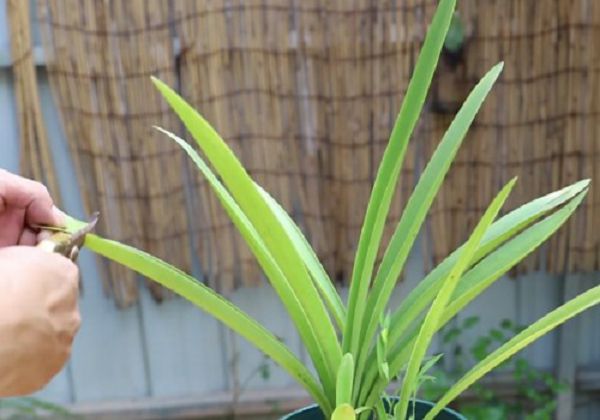
Amaryllis is a perennial herbaceous plant with very showy blooms, and home growers generally keep it as a potted plant for ornamental enjoyment. But some growers find that the amaryllis they keep at home often does not grow vigorously enough, so what should be done?
As everyone knows, flowers and plants grown in pots often have inherent disadvantages compared with those grown in the ground. So growing amaryllis in pots often requires more effort than plants grown in the ground in order to keep it healthy.
To make amaryllis grow more vigorously and bloom smoothly on schedule, if you want to grow it well, you often need to focus on doing a good job in these areas:
1. Water reasonably
Amaryllis likes moisture but is not tolerant of waterlogging, so the watering method must be mastered well, especially the frequency and amount of watering. Never let too much watering cause water to accumulate in the pot, otherwise it easily causes root rot. Generally, stick to the watering principle of watering thoroughly only after the soil has dried out; normally you only need to keep the potting soil slightly moist, so watering must be reasonable.
2. Fertilize properly
Amaryllis consumes a large amount of nutrients during the growing season, so sufficient nutrients must be ensured, because nutrients are one of the prerequisites for the plant to maintain vigorous growth. As for flower fertilizer, you can either buy ready-made fertilizer to use or make your own composted flower fertilizer. But never apply organic matter directly as flower fertilizer, because organic matter releases a large amount of heat during the process of fermenting and decomposing in the pot, which easily burns the roots of amaryllis.
3. Prune promptly
In addition to ensuring water and fertilizer management, pruning is also very important in order to stimulate and promote fast growth in amaryllis. If there are poorly growing leaves, such as withered yellow old leaves at the lower part of the plant, cut them off promptly; at the same time, areas that have grown too densely also need appropriate thinning to improve the ventilation and light penetration of the potted plant; dead branches and diseased leaves should be completely cleaned up without hesitation.
In addition, amaryllis itself is also a sun-loving plant, so if you want it to grow vigorously, the light must be sufficient and the ventilation conditions must be good. The more sufficient the light, the stronger the leaves' ability to carry out photosynthesis, and the more nutrients they synthesize, which is very beneficial for the growth and blooming of amaryllis.