When is the best time to sow European primrose
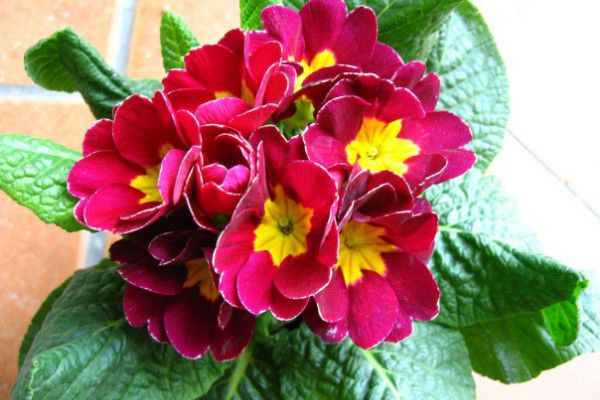
The best time to sow European primrose seeds is from March to June each year. During this period, temperatures rise from the harsh cold of winter back to the warmth of spring, and sunlight gradually becomes plentiful without being too intense. In terms of physiological habits, this is suitable for European primrose seeds to germinate and take root, grow and thrive, and it also keeps pace with the flowering period.
Sowing time for European primrose
1. Temperature
The best time to sow European primrose is from March to June each year. This plant prefers a cooler environment and is relatively intolerant of heat, so during March to June, when spring brings warmth and flowers bloom, the harsh cold of winter has faded, but the rising temperature will not reach 30°C, a level that would affect growth, making it suitable for sowing.
2. Sunlight
During its growth and development, European primrose needs to receive sufficient sunlight so that it can carry out photosynthesis, sprout branches and grow leaves, and eventually become lush and full. Therefore, during this period, sunlight gradually becomes brighter, and the daily light duration also gradually increases, but it is not so intense as to scorch and damage European primrose, making it a suitable intensity.
3. Flowering period
Another advantage of sowing European primrose from March to June is that it can catch up with the flowering period. After a year of development and care, the sown European primrose grows mature and happens to catch the European primrose flowering period from January to April of the following year. The European primrose flowering period is extremely long, and the flowers are bright and colorful, with high ornamental value.
4. Physiological habits
In terms of physiological habits, European primrose is in a period after flowering from March to June. The seeds harvested at this time contain a large amount of nutrients and stored nutritional substances, and can be sown soon after being picked, thereby avoiding the nutrients in the seeds being exhausted after being stored for a long time.