What to Do When a Potted Plant Wilts? Cause Analysis and Remedies
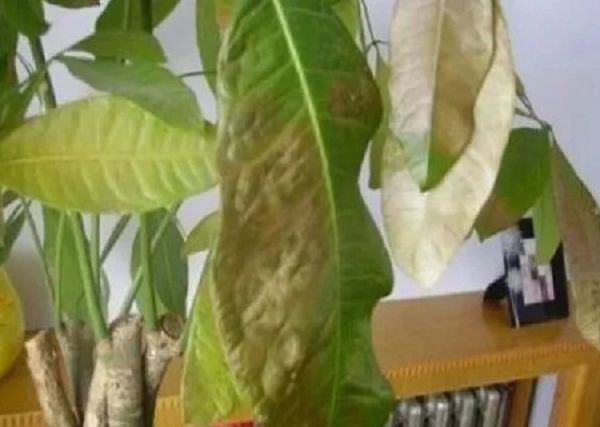
For those who love potted flowering plants, encountering a wilted potted plant is a very distressing thing. So, when your own potted green plant wilts, does it mean it is going to die? Actually, not necessarily. Perhaps in severe cases death may result, but as long as the degree is not too deep, it generally cannot endanger its life. As long as we can promptly take the correct measures, it is still possible to restore its vitality.
There are very many manifestations and causes of wilting in potted flowering plants. By collecting and organizing information, the editor has summarized several main situations to present to everyone, hoping to bring some inspiration or help in growing potted flowering plants.
1. Overwatering
For many potted flowering plants, if usual overwatering causes waterlogging in the pot, it will seriously affect their free breathing and absorption of nutrients, and then cause the plant to wilt; in severe cases it may cause death. Therefore, as soon as we determine that it is caused by overwatering, we should promptly take scientific and effective measures.
If the waterlogging is not very serious, we usually only need to loosen the potting soil, then improve ventilation conditions and speed up the evaporation of excess water; if the waterlogging is serious, then first pour out the excess water, then dig out part of the moist potting soil and fill in relatively drier potting soil. If necessary, it is recommended to repot it in a new pot.
2. Frequent Lack of Water
Frequent lack of water is one of the most common causes of wilting or drying up in potted flowering plants; even friends who do not know much about potted plants may have encountered it. If this phenomenon is caused by frequent lack of water, the plant usually shows wilting from top to bottom, and the branches and stems will also become wrinkled, or even dry up and die.
In such a case, we should replenish water in time, but we must not water heavily or flood it, otherwise the plant will die faster because it cannot bear the shock. Instead, we should first replenish water in small amounts; we can start by misting so it adapts, and then gradually water it. Note that you must avoid watering heavily in environments with too high or too low temperatures.
3. Overfertilizing
Sometimes, in order to make the plant grow faster and better, we need to supplement nutrients in good time. The most direct way to supplement nutrients is fertilizing, but little do we know that overfertilizing can also cause the plant to dry up or even die. If too much fertilizer is applied, or the fertilizer concentration is too high, the plant's root system will be unable to withstand the strong fertility and its roots will burn, causing the plant to dry up and die.
Once we find that too much fertilizer has been applied or the concentration is too high, we should promptly dilute or flush it out with clean water. The recommended approach is to first clear away the surface potting soil, then water heavily so it drains out from the bottom of the pot. Then cover it with a layer of clean soil, provide appropriate shade, and frequently spray water on the leaves. I believe the plant will soon return to normal growth.
4. Unsuitable Cold or Heat
Every plant has a suitable temperature range for growth. If the environment is too hot or too cold, it may cause poor growth. If the plant is placed under the scorching sun in summer, it will show a self-protective phenomenon because it cannot withstand the scorching sun, namely wilting and curling. If conditions are not improved, it may be sun-dried and killed. Therefore, the potted plant should be promptly moved to a moist, shaded, cool and ventilated environment for care.
Of course, if the temperature is too low, that is also no good. If the temperature is lower than the plant's critical tolerance temperature, the plant will wilt due to frostbite, so once the temperature is too low, measures should be taken promptly to keep it warm and protect it from the cold. Therefore, experienced friends will consider timely measures such as shading, wind protection and misting for potted plants.
5. Pests and Diseases
Beautiful and practical flowering plants are deeply loved by people, but they are often also favored by pests and diseases. Therefore, once a potted flowering plant is infected by pests and diseases, it will damage the plant's main stem or transport tissues, causing local branches and leaves to dry up and wilt. Moreover, these pests and diseases are sometimes fatal, and usually the infected parts need to be directly cut off and thoroughly disposed of.
For those precious flowering trees that are difficult to recover, if we cannot eradicate the problem through drugs and other means, to be safe, we recommend cutting healthy and intact branches as cuttings for propagation, so they can breed more robust young plants.