How to care for freesia after flowering? These methods you need to know
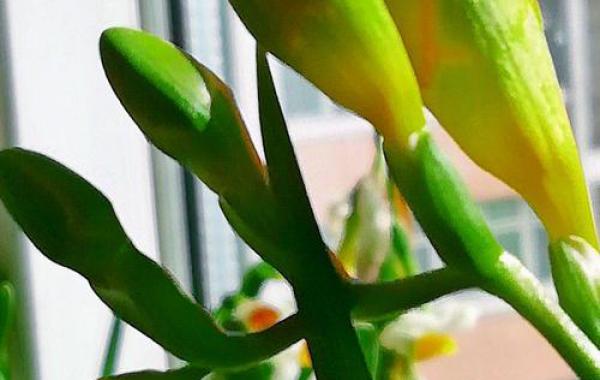
First stage of post-flowering care for freesia - bulb nurturing: After freesia blooms, gardeners should not rush. First cut off the spent flowers, then enter the normal care stage (gradually reduce watering, keeping the potting soil slightly moist is enough). This stage is mainly for nurturing the bulb, which helps with flowering next year. Gardeners who are able can appropriately apply phosphorus and potassium fertilizer to promote bulb growth. Remember it must be a light fertilizer, never a concentrated one.
Second stage of post-flowering care for freesia - lifting and storing the bulbs: After the first stage of bulb nurturing, the leaves will naturally wither around May or June (times may vary slightly depending on the climate in different regions). After the leaves wither, lift the bulbs out, dry them in a shady place, then wrap them in newspaper or a mesh bag and place them in a cool, ventilated spot. The reason for lifting the bulbs is that summer is the dormant period for freesia, and lifting the bulbs is the best storage method.
Third stage of post-flowering care for freesia - replanting: In autumn, as temperatures drop, you can begin replanting. Generally speaking, freesia can be replanted after National Day. Likewise, because climates vary from region to region, in most areas planting after October 1 is fine, and those in the north can also plant at the end of September.
Freesia is generally sown from September to December and can bloom; sown slightly later, up to January, it can also bloom by adjusting temperature, water and nutrients. It generally enters dormancy from May to June. If you sow freesia now, the bulbs are thin and small, with nutrients almost depleted, and in many cases they will not sprout. Generally, in a greenhouse, by adjusting temperature and humidity to provide a suitable growing environment for freesia bulbs, freesia can also be made to bloom around May 1.
After freesia enters the flowering period, watering should be controlled and monopotassium phosphate should be applied sparingly, which can promote more vivid flower colors and larger underground bulbs. Remember never to apply nitrogen fertilizer during freesia cultivation.
After freesia flowers fade, appropriately reduce watering and just keep the potting soil moist (not too wet, to avoid bulb rot). As the above-ground part withers, reduce watering. One week after the above-ground part has completely withered, stop watering. After the potting soil has completely dried, take out the potting soil and carefully remove the bulbs from the soil.
After the bulbs are taken out, place them on a plate, dry them briefly in the sun, then place them in a cool, ventilated place. Wait until the next planting season to take them out, select them, and plant them.