What Fertilizer to Apply During the Lily Sprouting Stage? A Full Breakdown of Key Fertilization Points
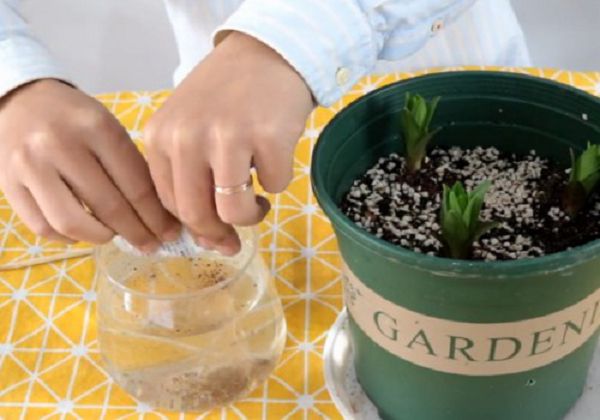
The lily is a bulb plant with an underground bulb, and the bulb can not only take root and sprout, but also produce small bulbs that can independently grow into plants and bloom. Lilies usually reproduce through underground bulbs. If all goes well, they can take root and sprout in about a week, so what should be done?
After lilies sprout, it is usually enough to apply a nitrogen-phosphorus-potassium compound fertilizer as a top dressing. However, lily bulbs sometimes cannot bloom successfully in the first year, especially lily seedlings grown from bulbs with a short growth period that are not very mature. The first year after planting is often aimed at nourishing the bulb, and by the second year they can generally bloom successfully.
To better promote lily sprouting and growth, it is generally recommended to apply sufficient base fertilizer when potting, usually animal bone meal, which can supply the plant with quite a bit of phosphorus and calcium as well as some other trace elements. This plays an important role in promoting the rooting and sprouting of lily bulbs.
Bone meal is rich in phosphorus and calcium and also contains a variety of mineral elements. Using it as a base fertilizer when potting lilies is very helpful for promoting root growth and strengthening the bulbs. It can also lay a good foundation for the plant's later blooming, and bone meal is generally suitable for use as a base fertilizer.
After lilies take root and sprout, if top dressing is used, it mainly involves regularly applying some diluted compound fertilizer, and it can also be combined with some Huaduoduo. In this way, it not only benefits the plant's rooting and sprouting and makes its growth more vigorous, but also gives a good boost to the plant's later blooming.
Of course, the lily is after all an acid-loving flowering plant and requires the potting soil to be on the acidic side. If the potting soil becomes saline-alkaline, it will inevitably affect its rooting and sprouting, and the plant's growth will naturally be poor as well. So we can also appropriately apply a little ferrous sulfate solution to the plant to improve the soil. Appropriately increasing the acidity of the potting soil can better promote the growth of lilies.