How to fertilize camellias correctly after they set buds
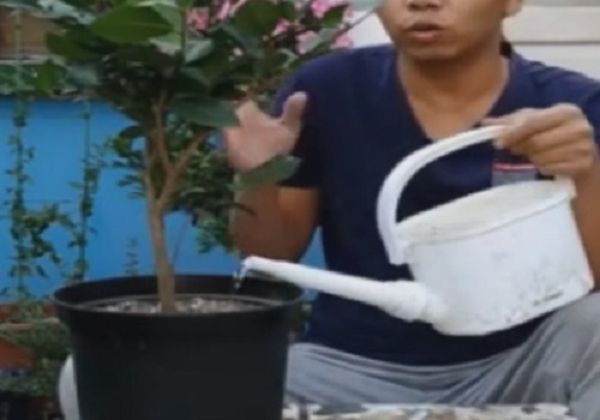
Potted camellias cannot do without repotting, and during the recovery period right after repotting, it is common over the next few days to see new leaves drooping and hanging down, and old leaves falling off. At this point, we only need to place the plant somewhere it can receive scattered light, mist it with water every day, and after about a week, the camellia's leaves will spread out, the foliage will be a glossy green, and the flower buds will have visibly grown larger.
It is normal for camellias to drop old leaves during the recovery period, while drooping, hanging new leaves are usually a direct result of the recovery process, but we only need to care for the plant using scientific methods and it will resume growth after a week. Once the plant has resumed growth, we need to replenish nutrients for it, so at this point we need to prepare to fertilize the camellia.
After the camellia resumes growth, it will soon form buds and develop flower buds, so in addition to fertilizing, we also need to resume watering. As long as the supply of water and nutrients is guaranteed, the flower buds will gradually open. Since it has entered the flowering period, nutrients are indispensable, so fertilization must be timely and the method must be scientific.
However, at this point it is not suitable to apply multi-element fertilizers or nitrogen fertilizers; potassium dihydrogen phosphate is recommended instead, since the goal right now is to promote bud formation and bud growth. The fertilizer concentration must also be controlled well, generally diluted with water at a ratio of 1:1000 and sprayed as a foliar fertilizer, though we can also water it directly onto the roots, except that foliar spraying gives better absorption.
Spraying potassium dihydrogen phosphate mainly supplements the plant with phosphorus and potassium nutrients; potassium fertilizer mainly promotes the growth and maturity of the plant's root system, while phosphorus fertilizer can promote the rapid growth of flower buds and flowering. If we mainly apply nitrogen fertilizer at this point, it will cause the plant to grow excessive branches and leaves and the flower buds to drop.
After topdressing, place the potted plant in a sunny spot with good ventilation, and after fertilizing it is generally necessary to water once more to improve fertilizer use efficiency, and the watering must be thorough, so the potting soil also needs to be sufficiently loose and airy to avoid waterlogging. Generally, one week after fertilizing, the flower buds will noticeably grow larger. After all, the phosphorus and potassium fertilizer we apply is specifically meant to promote flowering and will not produce other negative effects.
Of course, we need to ensure the plant's placement environment is as well ventilated and brightly lit as possible. If indoor ventilation is somewhat poor, it is recommended to use a carbendazim solution to spray the camellia's buds and leaves. However, when spraying the solution, the potted plant should be placed outdoors, and afterward moved back indoors for care.
Spraying carbendazim solution is mainly to prevent the plant from developing leaf spot disease, dry leaves, rotting leaves and other such problems. This is because if the potting soil is too dry, the air humidity is insufficient, or ventilation is poor, the plant is often prone to infections such as leaf spot disease.