A Detailed Guide to the Correct Use and Techniques of Nutrient Soil
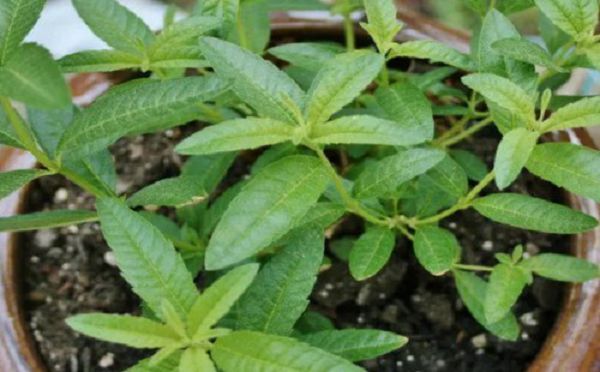
The use of nutrient soil is very important for growing flowers and plants in pots, especially for cultivating seedlings, where it often plays a key role. But how to use nutrient soil scientifically is often the topic we care about most, especially when we want to reuse old nutrient soil. Today, the editor will share this with everyone.
Everyone knows that whether it is nutrient soil bought from the flower market or homemade nutrient soil, it is a mixed substrate, prepared by combining various growing media in certain proportions, and it often has the effect of being fertile and loose, breathable and permeable while also retaining water and fertilizer. So, how to use nutrient soil scientifically and reasonably is a step that needs to be learned in the process of growing flowers and plants in pots.
For new nutrient soil, it generally needs to be treated by sun exposure or other sterilization and disinfection before use. But even so, it is not recommended to use only nutrient soil to grow flowers and plants, because relatively pure nutrient soil is often quite light, and its water retention capacity is relatively poor. Usually it needs to be mixed with some garden soil and other substrates for better results.
As for old nutrient soil, discarding it feels like a waste, but because it has been used before, it inevitably harbors various pests and diseases, and its nutrients have been mostly used up. So in this situation, how can old nutrient soil be turned from waste into treasure and reused?
Old soil needs to be used with caution, and generally cannot be used directly for newly planted flowers and plants. First, we need to treat it for disinfection, sterilization and pest elimination. You can expose it to the hot sun, or pour some carbendazim solution into the old soil, or even stir-fry it in a pan. Only after a series of disinfection, sterilization and pest elimination treatments can it be reused safely.
Before use, the old nutrient soil usually needs to be mixed with some compost or new nutrient soil, and the proportion of old soil is best around 30-50 percent. At the same time, some fermented and decomposed organic fertilizer also needs to be added into the pot, then mixed with some garden soil, sandy loam, and so on. In this way, the looseness of the soil can be improved while also increasing nutrients and raising soil fertility.
Of course, the old soil can also be mixed into composting materials so that they blend together. But although this can enhance fertility, it often takes a relatively long time. For those in a hurry to pot new seedlings, this usually becomes impractical. So this method has not been widely used.
Mixing old soil with vegetable garden soil is also a way to use waste or recycle it. But after all, used soil inevitably carries pests and diseases, and these pests and diseases can easily infect the plants when potting, causing damage. At the same time, even if some nutrients or fertilizer are added, the soil will still lack some mineral elements that promote plant growth, so it can easily cause disease and may even be fatal in severe cases.
Therefore, the reuse of old nutrient soil can, on the one hand, save costs and allow waste to be effectively recycled; but on the other hand, pest and disease protection work also needs to be done well. Do not let plants be infected by pests and diseases just to use old soil, so it must be sterilized and pest-treated before use.