Hyacinths are toxic, so can they still be kept in the bedroom?
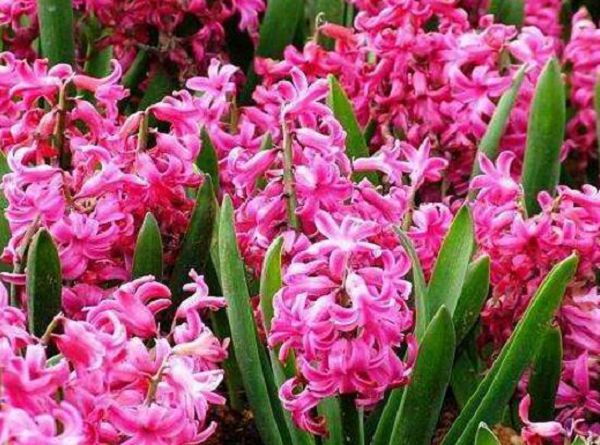
Hyacinths have long been deeply loved by flower enthusiasts, and with the development of the times, they have now become the top choice for potted plants used to beautify the home. So, does a beautiful plant have any impact on human health? What I want to talk about here is: are hyacinths toxic? Can hyacinths be placed in the bedroom? Below I will tell everyone the answer.
1. Hyacinths are toxic plants
1. Hyacinth bulbs are toxic, because the bulbs contain alkaloids, and just like daffodils, if eaten in large quantities they can cause poisoning, producing symptoms such as dizziness and diarrhea. However, when you buy flowers, it is for planting and ornamental purposes, not for eating. So you can cultivate them with peace of mind; as long as you do not eat them, they will not cause any harm to the human body.
2. The fragrance of hyacinths is not toxic, but for some people who are sensitive to floral scents, the fragrance of hyacinths can relatively easily cause symptoms such as dizziness, especially when smelling this fragrance for a long time in a closed environment.
3. Because hyacinth fragrance contains aromatic chemical substances such as ketones or phenols, when a small amount is taken into the body, the circulatory system can metabolize it and expel it from the body, but if taken in over a long period, it will increase the burden on the internal organs and is not good for the human body.
4. After some hyacinths have traveled across the ocean, they may carry some mold. When many flower enthusiasts plant them for the first time, they handle the bulbs with bare hands, causing itching skin, and some may even have allergic reactions. This point needs attention. As long as your skin is not very delicate, washing with soap is enough.
2. It is best not to place hyacinths in the bedroom
1. Although hyacinths are beautiful, they are indeed toxic, so they cannot be placed in the bedroom and should be placed in a place with good air circulation. In addition, hyacinth pollen can easily cause skin allergies, so avoid bringing your nose close to the flowers to smell them.
2. The fragrance of hyacinths can refresh the mind, and placing them in the bedroom may cause insomnia. At the same time, hyacinths should also preferably not be placed in the study, because that can easily affect reading efficiency and cause the brain to lack oxygen. Therefore, try not to place hyacinths in the bedroom, and you can choose other flowers for placement.
3. Precautions for cultivating hyacinths at home
1. After buying hyacinths with a rich fragrance, it is best to place them in the living room or on the balcony. If you really need to decorate the bedroom, then pay attention to keeping the bedroom ventilated.
2. The sap in hyacinth bulbs is indeed toxic. If hyacinths are potted at home, children should be prevented from playing with them, so as to avoid the phenomenon of poisoning caused by the sap entering the mouth. At the same time, hyacinths must never be mistaken for onions and eaten.
Conclusion: Hyacinths are toxic plants. If you accidentally eat them, you should seek medical attention promptly. However, as a kind of houseplant, as long as you do not eat them, there is basically no harm, and everyone can cultivate them with peace of mind.