How to grow a peace lily in water? A step-by-step guide to the correct method
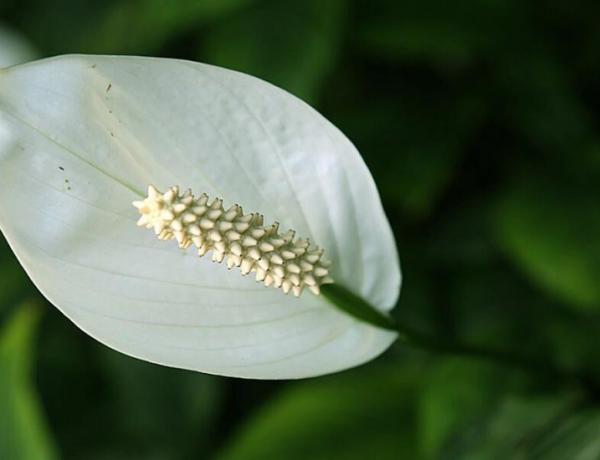
The peace lily (Spathiphyllum) is also known as the white sail, white crane taro, banana leaf taro and peace taro. The peace lily is an evergreen herbaceous foliage plant. Native to the tropical regions of the Americas, it has become a popular indoor flower in recent years. In folk culture it is called "smooth sailing" because of its auspicious meaning.
It is often used for indoor greening and decorative landscaping, but few people know the cultivation methods, precautions and functions of the peace lily. The peace lily can be grown both in water and in soil. Today let us learn together about water culture, soil culture and the functions of the peace lily.
Water culture methods and precautions for the peace lily
1. Growing a peace lily in water lets you admire its tender white roots and also see the lovely little fish swimming among the roots, which is truly delightful. The key points of water culture for the peace lily are oxygen, light and nutrients.
2. Find a large transparent glass bottle, gently straighten out the roots of the peace lily and place it into the vase. Be careful not to touch the leaves or damage the roots. To keep the peace lily standing upright and not falling over, you can fix it around the mouth of the bottle with stones or pebbles. Note that the stones must be cleaned thoroughly. Then pour water into the bottle to two-thirds of the water level, and be sure to spread the roots out.
3. When the weather is hot, change the water once every 10 days; when it is cold, change it twice a month. The water level should just reach three-quarters of the roots.
4. In summer, avoid light and strong direct sunlight. Spray water on the leaves appropriately to increase air humidity. You can add a little nutrient solution to the water and stir it evenly.
5. If you use tap water, you need to draw it in advance and leave it in the air for a day so that oxygen is fully dissolved and chlorine is released. When changing the water, clean the mucus from the roots and cut off rotten roots and scorched leaves.
Precautions:
1. Pay attention to observing the root growth of the water-cultured peace lily in time, and check whether there are any rotten places on the root hairs. If there are, remove them promptly and change the water in time to ensure healthy growth of the peace lily;
2. If the leaves of the water-cultured peace lily turn yellow, and it is not too serious, only slightly yellow, trim the yellow leaves and it can continue to be grown in water; if the yellowing is severe, transplant it into soil to grow.