What are the cultivation methods and precautions for Clivia?
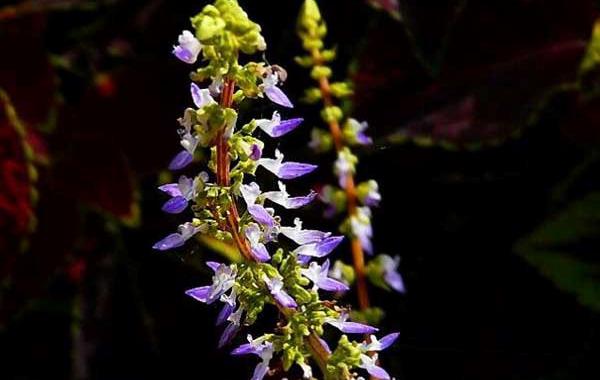
Many people have a kind of logical go-playing formula in their minds: if you want to use ornamental trees, the first choice is plants that can bloom; if they are all leaves, what good is that? But coleus is different from those grown for red maple leaves. Although coleus is grown for its leaves, its colorful foliage is not inferior to any kind of flower petal. In fact, coleus is very deeply loved. So what are the cultivation methods and common problems of coleus?
Soil: gardening friends all know that the soil needed for plant growth must have good drainage, good air permeability, be loose and free of harmful gases, and contain calcareous matter.
Watering: coleus has relatively strict requirements for moisture. During the growing period, the potted soil and the surrounding environment must be kept moist. It must avoid drought and prevent waterlogging. The greatest ornamental value of coleus is its colorful leaves. Once watered too much, the leaves will lose water and become dull, and the roots will become infected and rot.
Sunlight: light has a great effect on the color of coleus leaves. When there is sufficient light, the leaves will be noticeably much brighter, but do not expose them to the scorching heat of midsummer. Too strong sunlight will cause the leaf surface to become rough and lose its glossiness. Of course, if coleus is kept in a shaded environment for a long time, the young leaves will not be brightly colored either.
Temperature: coleus likes a warm and humid environment and requires relatively fresh air. In winter, the suitable temperature should be controlled between 20-25 degrees as much as possible. The minimum overwintering temperature must not be lower than 10 degrees. Too low a temperature will cause the leaves to turn yellow and fall off. Below 5 degrees, the plant will gradually wither. When caring for it in other seasons, try to keep the temperature within a certain range and do not let it change suddenly.
Fertilizing: coleus does not have very high fertilizer requirements. Apply base fertilizer when planting. During the growing period, apply a relatively dilute fertilizer mainly based on nitrogen fertilizer 1-2 times each month.
Pest control: coleus is very prone to damping-off disease during the seedling stage, so attention should be paid to disinfecting the soil when planting. If leaf spot disease occurs during the growing period, a 50% Topsin solution can be sprayed for sterilization. When growing coleus indoors at home, it is very prone to damage from aphids, planthoppers, and scale insects; a 1000-fold omethoate solution can be selected for spraying.