What to Do About Root Rot in Clivia? Cause Analysis and Solutions
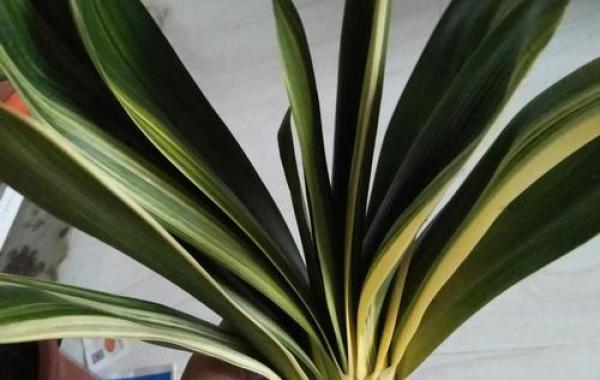
Clivia is also one of the plants that many households love to grow these days, but improper care can lead to root rot in Clivia. Today, the editor will explain this for everyone.
Root rot in Clivia is a disease caused by bacteria, generally occurring in high-temperature, high-humidity environments in summer. It shows up as the roots below the leaf base rotting away. The main causes are:
1. High temperature, high humidity and poor ventilation make the plant's fleshy roots very prone to rotting.
2. Too much water: when the nutrient soil has a high water content and poor air permeability, the roots are soaked in water for a long time, causing the roots to discolor and rot.
3. Too much fertilizer: if the fertilizer in the nutrient soil has not fully fermented, it generates heat and burns the roots, causing root rot. Improper fertilization during the growing season or applying too much fertilizer causes the fertilizer to come into contact with the roots, burning them, affecting the roots' ability to absorb, and destroying root tissue so the roots rot. Be sure to apply thin fertilizer frequently.
4. Root injury: when repotting or dividing the plant, roots may be bruised, broken or rotted. You must completely remove the rotted fleshy roots, then coat the wounds with charcoal or fine stove ash and let them dry, then add soil and pot the plant, to prevent the injured roots from directly contacting pathogens in the nutrient soil and rotting.
5. Poor air permeability: using porcelain pots, plastic pots, etc. leads to poor air and water permeability in the potting soil, causing root rot.
6. Poor soil quality: bacterial diseases attack the fleshy roots, causing them to rot.
Solutions for Root Rot in Clivia
The way to rescue a plant with root rot is to tip the plant out, remove and cut off the rotted roots, then coat the wounds with charcoal powder or fine stove ash. You can also rinse the roots with potassium permanganate solution, then put the plant in the sun for about ten minutes to use ultraviolet light to sterilize it. If more than half the roots have rotted, trim and clean away the rotted roots, sterilize and disinfect them, then place the plant in fine sand to encourage new roots. If only a few roots have rotted, you can transplant it into nutrient soil that has been replaced and treated, control watering for half a month, and it can recover after one or two months.
If the fleshy roots have all rotted away, you can cut off all the rotted roots, wash the root crown clean, coat it with charcoal powder or fine stove ash, then put it in a pot of fine sand to encourage rooting. After two or three months, it can also grow new roots and leaves again.
In addition, using decomposed leaf soil as the growing medium to rescue a Clivia with root rot also works well. The specific method is: wash the fleshy roots twice with clean water, then pinch off the rotted roots, coat the wounds with cigarette ash, dry them in the shade for two hours, then plant them in a pot of coniferous humus soil, place it in half shade, water at the right times, and keep the potting soil moist. After half a month, new roots will grow.
I. Causes of Root Rot in Clivia
Excessively high temperatures, overwatering, too much base fertilizer, overly sticky soil, non-breathable pots, applying incompletely fermented fertilizer and poor soil sterilization can all cause root rot. When the hot summer arrives, Clivia can easily suffer root rot if you are even slightly careless about controlling water, and bacterial infection can also cause root rot in Clivia.
II. Solutions for Root Rot in Clivia
1. Cleaning up the rotted roots
Take the Clivia with root rot out of the flower pot, gently strip away the soil, then rinse the roots clean with water, and use scissors to clean away the rotted root system.
2. Disinfecting the roots
Soak the cleaned roots in a 0.1% potassium permanganate solution for 5 minutes, then dip them in a little sulfur powder, plant ash or carbendazim, and let them dry in a cool place (about 2 days is enough).
3. Replanting
After the Clivia has dried, you can plant it in sandy soil to encourage new roots to sprout. If the root rot is not serious, you can pot it directly without planting it in sandy soil. After planting, control watering, and do not water until the soil is dry, to avoid root rot again. Just place it in a cool, ventilated spot. If the leaves have not wilted after 30 days, it has survived.